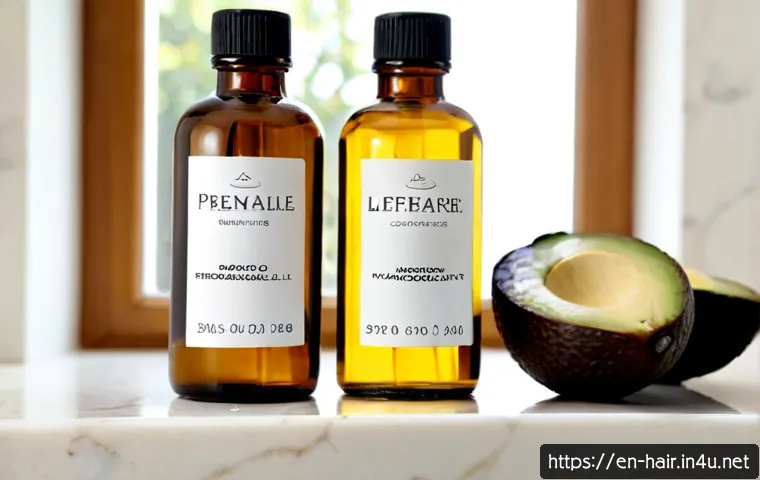
The best natural hair oil depends on hair porosity, scalp sensitivity, and styling goals. Compare lightweight and rich oils, read labels carefully, and choose a formula that fits your routine and budget.

The best natural hair oil is the one that matches your hair’s weight tolerance, styling routine, and scalp comfort—not one universal “winner.” Choose a lightweight formula for fine hair or oily roots, and consider a richer oil for very dry, coarse, curly, or coily lengths.
Before buying, compare the ingredient list, bottle size, and cost per fluid ounce or milliliter rather than looking at bottle price alone. A simple single oil may suit a minimal routine, while a blended or salon-style formula can be more convenient for smoothing, shine, and finishing. If you are sensitive to fragrance or botanicals, check the label closely and consider patch testing first.
At a Glance
- Fine hair or oily roots: Look for a lightweight hair oil and use a very small amount on mid-lengths and ends.
- Dry, coarse, curly, or coily lengths: A richer oil may be a better fit for softness, shine, and protective-style routines.
- Best value: Compare bottle size, ingredient list, packaging, and cost per use—not just the shelf price.
| Oil Category | Typical Best Use | Value Consideration | Watch For |
|---|---|---|---|
| Lightweight | Fine hair, daily shine, smoothing ends | A small amount may be enough per application | Too much can flatten volume or make roots look oily |
| Medium-weight | Softness, frizz control, damp-hair application | Blends may offer easier application and styling convenience | Check fragrance and added ingredients if sensitivity is a concern |
| Rich | Very dry ends, textured hair, coils, protective styles | A larger bottle is not always better if you use only a little | Can create buildup or greasy-looking hair when applied heavily |
The Quick Answer: Choose Hair Oil by Weight, Hair Type, and Routine
Oil weight is usually the most practical starting point. A formula that feels comfortable on thick, dry lengths may be too heavy for fine hair, especially near the roots. Think about when you plan to use it: before washing, on damp hair, or as a finishing product on dry ends.
Lightweight Oils for Fine Hair and Daily Shine
If your roots become oily quickly or your hair loses volume easily, start with a lightweight natural hair oil. Use a small amount on the lower lengths rather than coating the scalp. This approach can help you judge whether the formula adds a smoother finish without making the hair look weighed down.
Richer Oils for Dry Ends, Coils, and Protective Styles
Richer formulas may make more sense for very dry, coarse, textured, curly, or coily lengths. They can be used as part of a routine focused on the appearance and feel of dry ends. The caution is simple: rich does not mean better for every area of the head. Applying a heavy layer at the roots can leave hair greasy and may require a more thorough wash.
When a Blend May Be More Practical Than a Single Oil
A single-ingredient oil can appeal to shoppers who want a short, easy-to-read ingredient list. A blended formula may be more practical when you want a particular texture, fragrance experience, pump application, or finishing feel. For a useful hair oil price comparison, look beyond the word “natural” and compare the complete formula, bottle format, and cost per ounce.
Compare Natural Oil Types Before You Buy
The best natural hair oil category depends on how much weight your hair can handle and what you expect the product to do in your routine. Shine, softness, frizz control, and pre-shampoo use are different goals, so one bottle may not be ideal for all of them.
Lightweight Options for Smoothing and Finishing
Lightweight options are often preferred for fine hair or hair that becomes oily quickly. They can work well as a small finishing step on dry hair, especially when you want the ends to look more polished. Start small. You can add more if needed, but removing excess oil usually means washing again.
Medium-Weight Options for Softness and Frizz Control
Medium-weight formulas can suit people who want a flexible product for damp lengths and dry-hair finishing. They may fit a routine centered on frizz control and a softer feel without moving immediately to the richest option. Check whether the formula includes fragrance, botanical extracts, silicones, or preservatives before deciding it fits your preferences.
Rich Options for Very Dry or Textured Hair
Rich oils may suit dry, coarse, curly, and coily lengths, particularly when used carefully through the ends. They can also be considered for protective-style routines where the goal is to support a softer-looking finish. Use the amount that your hair can absorb comfortably; extra product does not automatically create better moisture balance.
Bottle Price Versus Cost per Use
A lower bottle price does not always mean a better deal. Compare the cost per fluid ounce or milliliter, then consider how much you are likely to use each time. A pump bottle may reduce accidental overuse, while a dropper may suit someone who wants to control each application more precisely.
Read the Label: Ingredients, Fragrance, and Formula Quality
The label tells you more than the front-of-bottle claims. “Natural” can describe part of a formula, but it does not automatically mean fragrance-free, irritation-free, or suitable for every scalp.
What “Natural” Can and Cannot Tell You
Ingredient lists may include plant oils, botanical extracts, fragrance, silicones, and preservatives. A natural positioning is not a complete quality assessment by itself. For a clearer ingredient-quality evaluation, read the full list and decide which additions work with your preferences and hair routine.
Essential Oils, Added Fragrance, and Sensitive Scalps
If you have a history of sensitivity to fragrance or botanicals, a patch test may be useful before regular use. This is particularly important when a formula contains essential oils or added fragrance. Persistent scalp symptoms or significant hair loss should not be treated as a simple product-selection problem; professional assessment may be appropriate.
Pumps, Droppers, and Packaging That Reduce Waste
Packaging affects both convenience and value. Pumps can make it easier to dispense a small, repeatable amount. Droppers can offer more control for targeted use on lengths or ends. If refillable packaging matters to you, confirm the details on the product page rather than assuming that a bottle can be refilled.
How to Use Hair Oil Without Greasy Roots or Product Buildup
Hair oil can be used at different points in a routine, but the amount and placement matter more than applying it often. Keep most of the product away from areas that already become oily quickly.
Applying Oil Before Shampooing
Some people use hair oil before washing as part of their routine. Focus on the lengths and ends when dryness is the main concern. A thorough wash may be needed afterward, particularly if you used a rich formula or applied more than your hair needs.

Using a Small Amount on Damp Hair
On damp hair, begin with a small amount and distribute it through the lengths. This can be a practical option when your goal is a softer-looking finish or easier styling. Fine hair generally benefits from a lighter hand than thick or textured hair.
Finishing Dry Hair and Protecting the Ends
As a finishing step, use only enough oil to lightly smooth the ends and reduce the look of dryness or frizz. Applying oil across the entire scalp and root area is often unnecessary for this goal. Build slowly rather than starting with a large amount.
Signs You Are Using Too Much
Greasy-looking roots, reduced volume, hair that feels coated, and buildup that requires a more thorough wash are common signs of overapplication. In that case, use less next time, apply lower on the hair shaft, or choose a lighter formula.
Best-Fit Guidance for Common Hair Goals
Dry, Brittle-Looking Ends
For dry-looking ends, consider a formula that matches your hair’s thickness and use it mainly from mid-length to ends. Richer oils may fit very dry or coarse lengths, while a lighter option may be enough for finer hair.
Humidity-Related Frizz
For frizz control, look for a formula you can use in a very small finishing amount. A medium-weight blend may be convenient if you want smoothing and shine in one step, but the best choice still depends on how easily your hair becomes weighed down.
Curly and Coily Hair Routines
Curly and coily routines may benefit from richer formulas on dry lengths, especially when a protective style or a softer finish is the goal. Check the full ingredient list if fragrance, essential oils, or added formula components are a concern.
Fine or Easily Weighed-Down Hair
Choose a lightweight product, use it sparingly, and avoid beginning at the roots. A smaller bottle may still offer good value if each use requires only a minimal amount.
Color-Treated or Heat-Styled Hair
For color-treated or heat-styled hair, select based on the finish you want and how your hair responds to product weight. Hair oil can improve the appearance and feel of dryness or frizz, but it should not be expected to resolve every hair or scalp concern.
Selection Criteria and Comparison Summary
Before purchasing, check these points: hair texture and oil weight, scalp comfort, the full ingredient list, bottle size, packaging, and cost per ounce or milliliter. Decide whether you need a simple single oil or a blend designed for easier styling. If sensitivity is a concern, prioritize a straightforward formula and review fragrance or botanical ingredients carefully. Compare bottle size, ingredient list, and cost per use on the relevant product page before choosing.
Final Thoughts
The best natural hair oil is a personal fit, not a universal ranking. Start with the weight your hair is most likely to tolerate, then adjust the amount and application method. A carefully chosen lightweight, medium, or rich formula can be more useful than buying the most expensive bottle without checking the label. Small, consistent use is often easier to manage than applying a large amount at once.
Useful Things to Know
1. Natural does not automatically mean fragrance-free or irritation-free.
2. Shine is not always the same as balanced moisture or a comfortable scalp.
3. A pump or dropper can help reduce waste and accidental overapplication.
4. Cost per ounce or milliliter is usually more useful than bottle price alone.
Important Notes
Hair oil results can vary with hair type, climate, styling habits, and individual sensitivity. Product formulas, availability, and pricing can change by retailer and region, so confirm current details before buying. Hair oil may improve the look and feel of dryness or frizz, but it does not replace professional assessment for persistent scalp symptoms or significant hair loss.
Frequently Asked Questions
Q1. What is the best natural hair oil for dry and frizzy hair?
A1. There is no single best option for everyone. A richer oil may suit very dry, coarse, curly, or coily lengths, while a medium-weight or lightweight formula may be a better choice if your hair becomes oily or flat easily. Match the oil weight to your hair type and use only a small amount at first.
Q2. Are natural hair oils safe for a sensitive scalp?
A2. Natural hair oils are not automatically irritation-free. Formulas may contain fragrance, essential oils, botanical extracts, silicones, or preservatives. If you have a history of fragrance or botanical sensitivity, review the label and consider patch testing. Seek professional guidance for persistent scalp symptoms.
Q3. Is a more expensive salon hair oil worth the price compared with a pure plant oil?
A3. It depends on what you value. A pure plant oil may appeal if you want a simpler ingredient list, while a salon-style blend may offer a preferred texture, fragrance, packaging, or finishing experience. Compare the ingredient list, bottle size, cost per fluid ounce or milliliter, and how much product you expect to use each time.