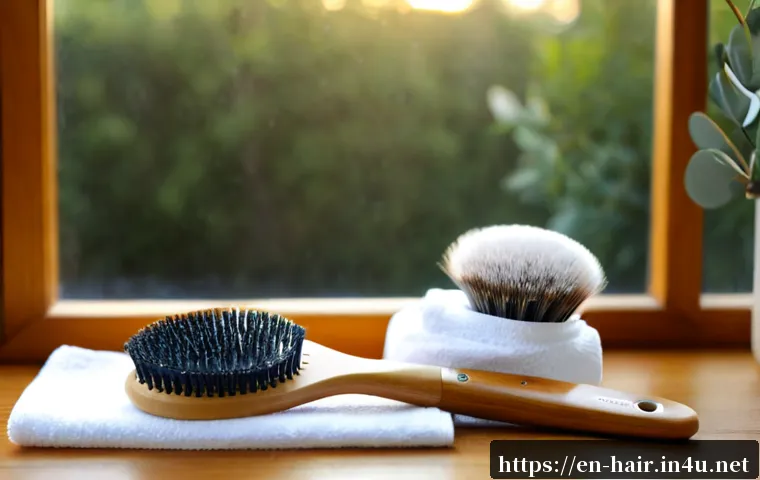
A paddle-style brush with flexible or wide-spaced bristles is usually the most practical multi-purpose choice for everyday detangling and smoothing. If blow-drying for volume, bends, or curls is a regular part of your routine, a vented or round brush may be a better upgrade than trying to make one brush do everything.

The right option depends on your hair density, texture, length, and whether you brush wet, dry, or damp hair most often. Look beyond appearance and compare bristle flexibility, heat compatibility, handle comfort, and cleaning needs.
A more expensive hair tool can add value through construction and heat-ready materials, but only when those features match your routine. For many households, a simple everyday brush plus a dedicated styling brush is the most sensible setup.
At a Glance
- For most everyday routines: A paddle brush with flexible bristles is a practical choice for smoothing and detangling larger sections.
- For frequent blow-drying: Consider a vented brush for airflow or a round brush for added shape and volume.
- Before buying: Check the packaging for wet-hair guidance, heat compatibility, bristle firmness, and cleaning instructions.
| Brush Type | Best Use | Main Limitation | Typical Value Level |
|---|---|---|---|
| Paddle brush | Smoothing and detangling larger sections | Limited control for curls, bends, and targeted root lift | Strong everyday value for simple routines |
| Vented brush | Blow-drying with airflow passing through the brush | May not provide the polished tension of a round brush | Useful when drying time is a regular priority |
| Round brush | Volume, shape, bends, and blowout styling | Requires more technique and barrel size matters | Worth considering for frequent styling |
| Mixed-bristle or flexible brush | Everyday smoothing or gentler detangling, depending on design | Performance varies widely by bristle layout and hair texture | Good value when the bristle design suits your routine |
The Quick Answer: What Makes a Hair Brush Truly Versatile?
A genuinely versatile hair brush handles the tasks you do most often without feeling overly aggressive, awkward, or difficult to clean. For many people, that means prioritizing gentle detangling and everyday smoothing over highly specialized styling. A brush that works well on larger sections can make a simple daily routine easier, especially for medium to long hair.
Versatility does not mean every brush performs every task equally well. Hair density, texture, length, extensions, and styling habits can change what feels effective. If you regularly use a blow dryer for volume or a polished finish, a dedicated styling tool may offer better control than one all-purpose brush.
A practical all-rounder usually prioritizes gentle detangling and everyday smoothing
A paddle-shaped design is often the starting point for a multi-purpose hair brush because it covers more surface area. It is commonly used to smooth hair and work through larger sections. For detangling, look for flexible bristles or wider spacing, which can help reduce pulling compared with a very rigid layout.
This style can be especially practical when your goal is a neat, low-effort finish rather than a salon-style blowout. It may not create much root lift or curl, but it can be a reliable everyday beauty tool when paired with a simple brushing technique.
When a dedicated blowout or curl brush is still worth buying
A round brush is typically used with a blow dryer to add shape, volume, or curl. It is a worthwhile separate purchase if those results are part of your regular styling routine. The barrel size matters: a brush that is too small or too large for your hair length can feel difficult to use and may not create the finish you expected.
If your priority is faster airflow during drying rather than a shaped blowout, a vented brush may be the more practical option. Buying two brushes can offer better long-term value than choosing one compromise tool that does neither detangling nor styling comfortably.
Compare the Main Brush Types Before You Buy
Paddle brushes for long hair, smoothing, and fast detangling
Paddle brushes are commonly used for smoothing and detangling larger sections of hair. Their broad shape can make them efficient for a straightforward routine, particularly when hair is longer or denser. A flexible bristle arrangement can be more comfortable when working through minor tangles.
Choose this category when daily brushing, simple smoothing, and section coverage matter more than volume. Check whether the product is intended for wet hair before using it after washing, because brush materials and bristle designs are not all suited to the same conditions.
Vented brushes for quicker blow-drying
Vented brush designs allow airflow to pass through during blow-drying. This makes them relevant for people who often dry their hair at home and want a brush designed around airflow. They can be a sensible middle ground when you want more drying support than a standard paddle brush provides.
However, a vented design does not automatically replace a round brush for shaping. If your goal is pronounced volume, a curved bend, or a polished blowout, consider whether the styling control of a round barrel is more important than a simpler drying process.
Round brushes for volume, bends, and polished blowouts
Round brushes are typically used with a blow dryer to add shape, volume, or curl. They are best viewed as styling tools first and general detangling tools second. A comfortable handle and an appropriate barrel size can make a noticeable difference in how manageable the brush feels during use.
Before paying more for a round brush, consider how often you actually create a blowout at home. If it is an occasional routine, a practical detangling brush may deserve more of your budget. If blow-drying is frequent, a well-built round brush with clearly stated heat-use guidance may offer more relevant value.
Flexible, mixed-bristle, and wide-tooth designs for different textures
Wide-spaced teeth and flexible bristles can help reduce pulling during detangling. These characteristics are worth considering if knots are your main concern or if a rigid brush feels uncomfortable. The overall bristle pattern matters as much as the material name, so compare the layout rather than shopping by label alone.
Boar or mixed bristles are often selected for smoothing and distributing natural scalp oils. They can suit people who want a more polished surface appearance, but their performance can vary based on hair texture, density, and routine. A mixed-bristle brush may be appealing when you want both smoothing and some everyday brushing capability, but it may not be the ideal choice for every wet-hair routine.
Bristle Materials, Heat Use, and Price-to-Value Considerations
Nylon, natural, mixed, and flexible bristles: what changes in daily use
Bristle choice affects how the brush moves through hair and how it feels on the scalp. Flexible bristles and wider spacing are often useful when detangling is the priority. Natural or mixed bristles are commonly chosen for smoothing and helping distribute natural scalp oils.
There is no single best material for all hair types. A brush that feels gentle on one texture may not provide enough control for another. Think about your usual task first: detangling, smoothing, blow-drying, or styling. Then compare bristle firmness and spacing with that purpose in mind.
Heat-resistant construction and handle comfort to check before purchase
If you use a blow dryer, heat compatibility should be a buying checkpoint rather than an assumption. Heat exposure may affect brush materials differently, so review the product packaging or manufacturer details before using a brush during heat styling. This is particularly important when comparing a basic detangling brush with a brush marketed for blowouts.
Also check the handle shape, grip, brush weight, and ease of cleaning. These features may sound secondary, but they affect whether a brush remains pleasant to use over time. Hair and product buildup can also make any brush less effective, regardless of price tier.
When a budget brush is sufficient versus when premium construction may add value
A budget brush can be sufficient when your routine is mostly dry-hair detangling and simple smoothing. Focus on whether the brush is comfortable, easy to clean, and appropriate for your hair condition rather than assuming a higher price automatically means a better result.
Premium construction may add value when you use heat regularly, style frequently, or need a brush that feels more controlled during longer sessions. Compare current retailer and manufacturer information for material details, heat guidance, and replacement considerations. Exact durability and heat limits should always be checked for the specific product you are considering.

How to Use One Brush for Detangling, Smoothing, and Blow-Drying
Start at the ends to reduce unnecessary pulling
When working through tangles, begin near the ends and move upward gradually. This approach can make knots easier to manage than pulling from the roots downward in one motion. Use short, controlled strokes, especially if the hair is dense, long, or prone to tangling.
If a brush catches repeatedly, do not assume that more force is the solution. Pause, separate the section, and work through it in smaller pieces. A gentler technique often matters as much as choosing a flexible brush.
Adjust technique for wet, damp, and dry hair
Wet, damp, and dry hair can respond differently to brushing. Always check whether the brush is intended for wet-hair use before using it after washing. For blow-drying, follow the heat-use guidance on the packaging and avoid treating every brush material as heat-ready.
On dry hair, a paddle or mixed-bristle option may be useful for smoothing. On damp hair, a vented or round brush may make more sense when blow-drying is part of the routine. Your best approach depends on the specific tool and your styling goal.
Clean the brush regularly to maintain performance
Remove trapped hair regularly and follow the product care instructions for deeper cleaning. A clean brush is easier to use and makes it simpler to evaluate whether the bristle pattern still suits your routine. Cleaning needs should be part of your product comparison, especially if you use styling products or brush frequently.
Common Mistakes That Make a Versatile Brush Feel Like the Wrong Choice
Using a rigid brush on knots or fragile, wet hair
A brush can feel ineffective simply because its bristles are too rigid for the way you use it. If detangling is your main need, prioritize flexible bristles or wider spacing and confirm whether the brush is designed for wet hair. Avoid expecting a firm styling brush to behave like a dedicated detangler.
Selecting a round barrel that does not suit hair length
Round brushes can be useful for shape and volume, but barrel size affects handling and results. A barrel that does not suit your hair length can make styling more complicated. Consider your usual section size and the type of finish you want before choosing a blowout tool.
Ignoring heat compatibility and scalp comfort
Do not rely on appearance alone when shopping for hair tools. Check heat compatibility if you use a dryer, and consider how the bristles feel on your scalp during normal brushing. If you have ongoing scalp sensitivity or concerns related to hair loss, a general product guide cannot determine the right option for your situation.
Selection Criteria and Comparison Summary
Choose a paddle-style option if your priority is simple daily detangling, smoothing, and brushing larger sections. Choose a vented brush if blow-drying often and airflow is more important than detailed shaping. Choose a round brush if volume, bends, and a polished blowout are frequent goals. Choose flexible or wide-spaced bristles if reducing pulling during detangling is a major concern. Choose a two-brush setup when styling results matter more than owning the fewest tools.
Before checkout, compare the bristle layout, wet-hair guidance, heat compatibility, handle comfort, cleaning method, and current product details. For material specifications and care conditions, check the official product page or retailer listing for the brush you are considering.
Final Thoughts
The best multi-purpose hair brush is usually the one that matches your most common task, not the one that promises to do every possible job. A flexible paddle-style brush can cover many everyday routines, while a vented or round option becomes more useful when blow-drying is frequent. Compare construction and heat guidance before spending more on a styling tool. If one brush feels like a compromise, a basic detangling brush plus a dedicated blowout brush can be a more practical choice.
Useful Things to Know
1. Brush shape affects function: paddle for smoothing, vented for airflow, and round for shaping.
2. Wide-spaced teeth and flexible bristles can help reduce pulling during detangling.
3. Boar or mixed bristles are commonly selected for smoothing and distributing natural scalp oils.
4. Cleaning and storage are part of the long-term value of any hair brush.
Important Considerations
Brush performance varies with hair density, texture, length, extensions, and styling routine. Exact prices, durability, and heat limits vary by product and should be confirmed through current manufacturer or retailer information. No single brush can be assumed to prevent breakage, frizz, scalp irritation, or hair concerns for every person. For medical hair-loss conditions or persistent scalp sensitivity, consider seeking appropriate professional guidance rather than relying on a brush selection alone.
Frequently Asked Questions
Q1. What type of multi-purpose hair brush is best for everyday detangling and smoothing?
A1. A paddle-style brush is often a practical option for everyday detangling and smoothing because it can handle larger sections. Flexible bristles or wider spacing may be especially useful when reducing pulling is a priority.
Q2. Is it worth paying more for a heat-resistant brush if I blow-dry my hair often?
A2. It can be worth comparing heat-ready construction if blow-drying is a frequent part of your routine. Check the specific product packaging or manufacturer information for heat compatibility rather than assuming every brush is designed for the same exposure.
Q3. Can one brush work for wet hair, dry hair, and blow-drying?
A3. One brush may cover several tasks, but it depends on the design and the product’s stated use. Check whether it is intended for wet hair and heat styling. A separate detangling brush and styling brush may provide better value when you regularly blow-dry for volume or shape.