A soft, low-friction hair towel can support a gentler drying routine, but the way you handle wet hair matters just as much as the fabric. For fragile, curly, bleached, long, or heat-styled hair, blotting and loose wrapping are usually better choices than vigorous rubbing.
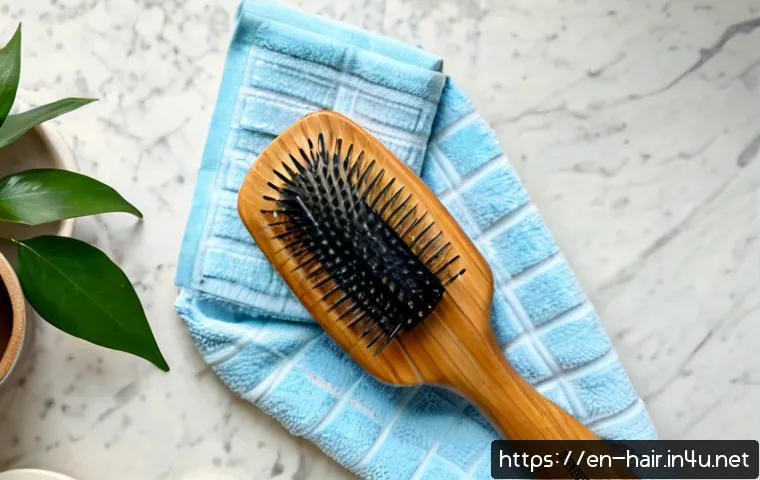
Microfiber wraps can be convenient for quick drying, while soft cotton or cotton jersey may feel more familiar for people who dislike microfiber texture.
A higher-priced towel may be worthwhile when it offers a more comfortable size, secure closure, and fabric you will actually use consistently. Material names such as “bamboo” or “silk-like” are not enough on their own, so check the fiber details and care instructions before buying.
A hair towel cannot repair existing chemical or heat damage, but it can be a useful part of a lower-damage wash-day routine.
At a Glance
- Fine or thinning hair: Choose a lightweight, soft towel that does not feel bulky or require a tight twist.
- Thick, long, or curly hair: Look for a larger wrap or rectangular towel with enough room to hold hair loosely.
- Chemically treated hair: Prioritize a smooth-feeling fabric, gentle blotting, and a closure that does not pull at fragile strands.
| Material or Style | Best Use | Possible Limitations | Expected Price Tier | Maintenance Needs |
|---|---|---|---|---|
| Microfiber | People who want convenient, quick post-wash drying | Texture may not feel comfortable for every hair type | Budget to premium | Check care instructions and fabric feel over time |
| Cotton or cotton jersey | Those who prefer a familiar, soft feel | Drying convenience varies by thickness and weave | Budget to mid-range | Wash according to the label and inspect for roughness |
| Bamboo blend or specialty fabric | Shoppers seeking a particular feel or premium finish | Marketing language may not confirm fiber content or performance | Mid-range to premium | Verify fiber blend and care requirements before purchase |
| Wrap or turban design | Hands-free drying during a wash-day routine | A tight fit or heavy towel can create tension | Budget to premium | Check closure design, stitching, and fit |
The Short Answer: A Softer, Low-Friction Drying Routine Matters Most
The best hair towel for reducing frizz and breakage is usually one that lets you remove water without rough rubbing, pulling, or tightly twisting wet hair. Wet hair is generally more vulnerable to stretching and breakage, so the goal is not to dry it aggressively. Instead, choose a towel that feels comfortable against your hair and makes gentle handling easy.
Blot and gently squeeze instead of rubbing
After washing, place the towel around sections of hair and gently press or squeeze out excess water. This simple approach can reduce the friction that comes from scrubbing hair back and forth. For long hair, work from the ends upward rather than gathering everything into one tight bundle.
Why towel technique matters as much as towel material
A premium microfiber hair towel cannot fully offset a rough routine. Even a soft cotton towel can be a reasonable option when you blot carefully and avoid force. The useful comparison is not only microfiber versus cotton; it is also fabric feel, towel weight, fit, and how easily the design encourages a loose wrap.
Compare Common Hair Towel Materials Before You Buy
Microfiber: quick drying with potential texture trade-offs
Microfiber hair towels are commonly considered for their absorbent feel and convenient drying routine. They are available as rectangular towels and wrap-style designs, so they can suit people who want a hands-free option. However, material labels alone do not confirm softness, durability, or whether the texture will work well for your individual hair. If your hair catches easily or you dislike the fabric feel, inspect the towel’s texture and care guidance before choosing it.
Cotton and cotton jersey: familiar feel and lower-friction options
Soft cotton and cotton jersey towels can be appealing because they often feel familiar and gentle in the hands. A smooth, soft option may work well for someone building a simple damaged-hair routine without paying for specialty branding. Thickness, weave, and towel condition still matter. A worn, rough, or heavily textured towel may not provide the comfortable low-friction experience you want.
Bamboo blends and specialty fabrics: what to verify before paying more
Bamboo-blend, organic, and silk-like hair towels may sound premium, but those terms do not automatically verify exact fiber composition or performance. Before paying more, check the listed blend, care instructions, size, and closure details. The practical value may come from a fabric you enjoy using, better construction, or a design that stays in place without pulling—not from a marketing term alone.
Wrap, turban, and rectangular towel designs
A wrap or turban can be useful when you need your hands free after washing. Look closely at the closure design, because a button, loop, elastic section, or narrow twist can affect comfort. A rectangular towel may offer more flexibility for thick or long hair, especially if you prefer to drape rather than secure your hair. A secure design should not require a tight twist.
How to Use a Hair Towel Without Creating Extra Tension
A simple blot-and-wrap routine
First, let excess water run from your hair without wringing it. Next, gently blot or squeeze sections with the towel. Then place hair into a loose wrap, or drape the towel over your shoulders while you apply a leave-in product or get dressed. The aim is to reduce dripping while keeping hair relaxed.
Avoid tight twisting, rough rubbing, and extended wear
A very tight turban may feel neat, but it can place tension on wet strands and along the hairline. Rough rubbing can increase friction and contribute to tangling and frizz. It is also sensible not to leave hair tightly wrapped for an extended period. Remove the towel when it has done its job, then allow hair to continue drying in the way that suits your routine.
Cleaning and replacement considerations
Follow the towel’s care instructions, especially for microfiber, blends, and specialty fabrics. Over time, check whether the surface still feels soft and whether seams, loops, or closures remain secure. Individual durability and shedding performance cannot be assumed without reviewing the product specifications and care label.
Which Style Fits Your Hair Type and Routine?
Fine or thinning hair
A lightweight towel with a low-bulk fit is often the most comfortable choice. Avoid a heavy wrap that encourages you to twist tightly just to keep it in place. A soft rectangular towel can be enough if you prefer a simple blotting routine.
Thick, long, or slow-drying hair
Size matters more when hair has more length or density. Choose a larger towel or wrap that can hold your hair without compressing it. A specialty wrap may offer practical value if its closure holds comfortably and its dimensions fit your hair, but a larger soft towel can also work well when used loosely.
Curly, coily, and textured hair
For curls and coils, minimizing unnecessary friction can be especially helpful during wash day. Focus on gentle pressing rather than rubbing, and avoid disrupting your curl pattern with a rough towel motion. Consider the fabric’s actual feel, not just the product label, and make sure the towel is large enough to contain hair without crowding it.
Bleached, color-treated, or heat-damaged hair
Hair affected by chemical processing or frequent heat styling may benefit from a calmer handling routine. Choose a towel that does not feel scratchy, snaggy, or overly heavy. Remember that a hair towel is a supportive tool: it cannot repair existing chemical or heat damage, but it can help you avoid adding unnecessary towel friction.
Selection Criteria and Comparison Summary
Before choosing a microfiber, cotton, bamboo-blend, or wrap-style hair towel, compare these practical details:
- Fabric softness: Does it feel smooth and comfortable against wet hair?
- Absorbency and weight: Does it remove excess water without becoming uncomfortably heavy?
- Snag risk: Are the seams, loops, texture, and closure unlikely to catch hair?
- Size: Is there enough room for your length, thickness, or curl volume?
- Closure design: Can it stay put without a tight twist or pulling at the hairline?
- Care requirements: Can you realistically wash and maintain it as directed?
A budget towel is often sufficient if it is soft, appropriately sized, and supports gentle blotting. Spending more can make sense when a wrap fits your hair better, feels more comfortable, or has a closure design you will use consistently. Compare size, fabric feel, and closure design before choosing. For exact fiber content, care instructions, and current availability, review the product details on the relevant retailer or brand page.
Build a Lower-Damage Wash-Day Routine Beyond the Towel
Detangling, leave-in products, and heat styling habits
A gentler towel routine works best as one part of a broader approach. Detangle carefully, avoid pulling through knots, and use leave-in products according to your usual hair needs. If you heat style, pay attention to how often your hair is exposed to heat and how much handling happens while it is still wet.
When persistent breakage may need professional advice
If breakage continues despite gentler handling, it may be useful to speak with a qualified hair professional or healthcare professional for individualized guidance. Ongoing shedding, scalp concerns, or sudden changes can have causes that a towel choice alone cannot address.
In Closing
The best hair towel is not necessarily the one with the most premium-sounding material name. A soft surface, suitable size, comfortable weight, and low-tension design are more useful decision points. Whether you choose microfiber, cotton jersey, a bamboo blend, or a wrap-style towel, use it to blot and loosely contain hair rather than rub or twist it. Small wash-day changes can make the routine feel more comfortable for fragile hair.
Useful Things to Know
1. Wet hair generally needs more careful handling than dry hair.
2. A towel’s texture and construction can matter as much as its material label.
3. A wrap should stay secure without pulling tightly on the hairline.
4. Larger towels can be more practical for long, thick, curly, or coily hair.
5. Product specifications and care instructions are worth checking before purchase.
Important Notes
No towel can guarantee less frizz or breakage for every person, and no hair towel can repair existing chemical or heat damage. Exact absorbency, fiber blend, durability, shedding, price, and availability vary by product and retailer. Terms such as “bamboo,” “organic,” and “silk-like” should be verified through the listed materials and product details rather than assumed to indicate performance.
Frequently Asked Questions
Q1. Are microfiber hair towels safe for damaged or color-treated hair?
A1. A microfiber towel may be a practical option for damaged or color-treated hair if the fabric feels comfortable and you use it gently. Avoid rough rubbing and tight twisting, since technique is an important part of reducing unnecessary friction. Check the towel’s texture, construction, and care instructions before deciding.
Q2. Is a more expensive hair towel worth it for reducing frizz and breakage?
A2. It can be worth it when the higher-priced option offers a better fit, a softer feel, a useful size, or a closure that stays secure without tension. Price alone does not confirm better performance. A budget towel can be a sensible choice when it is soft, well suited to your hair length, and used with a gentle blotting routine.
Q3. Should I use a wrap-style hair towel or a regular soft towel for long, thick hair?
A3. Either can work. A wrap-style hair towel can be convenient if it has enough room and does not require a tight twist. A regular soft towel may be better if you prefer to blot and drape hair loosely. Choose the style that feels comfortable, holds your hair without pulling, and fits naturally into your wash-day routine.