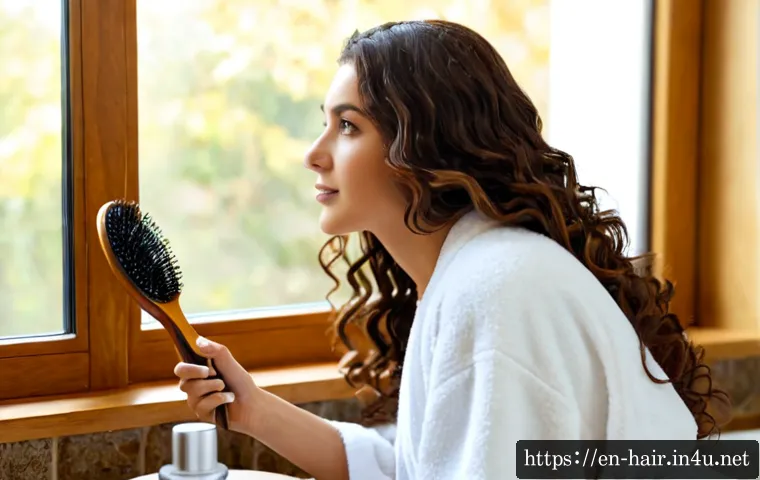
Use a wide-tooth comb or flexible detangling brush for knots, a paddle brush for a smooth finish, a round brush for volume or bend, and a vent brush for quicker rough-drying.
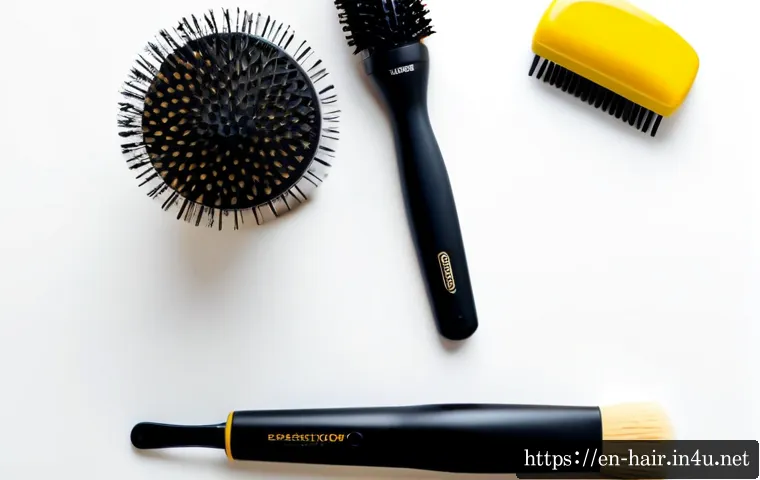
For dry finishing, boar or mixed bristles can help smooth the surface and distribute scalp oils through the lengths. The best choice depends on your hair length, density, texture, condition, and how often you use heat styling.
A basic brush can be enough for a simple routine, while a salon-quality option may be worth considering when handle comfort, durable bristles, and heat-compatible materials matter to you.
Focus on the styling goal first, then compare bristle firmness, barrel material, cleaning needs, and overall price-to-use value. No single hairbrush is the best fit for every routine.
At a Glance
- For detangling: Choose a wide-tooth comb or flexible detangling brush, especially when hair is damp and prone to pulling.
- For smoothing: A paddle brush suits longer or straighter hair during drying and finishing.
- For volume or bend: Use a round brush with a blow dryer, while a vent brush is useful for faster rough-drying.
| Brush Type | Best Use | Hair Suitability | Heat Compatibility | Maintenance | Typical Value Consideration |
|---|---|---|---|---|---|
| Wide-tooth comb | Gentle detangling | Damp hair, textured hair, knots | Not a heated styling tool | Remove trapped hair and rinse as needed | Often a practical basic tool |
| Flexible detangling brush | Working through tangles with less pulling | Many textures and routines | Check product specifications | Clean between flexible bristles | Compare bristle flexibility and handle comfort |
| Paddle brush | Smoothing and finishing | Longer or straighter hair | Often used during drying; check materials | Remove hair and product buildup | Useful when smooth styling is a regular goal |
| Round brush | Blowouts, volume, bend | Hair that is blow-dried in sections | Commonly paired with a blow dryer | Clean barrel and bristles regularly | Material and barrel design can affect price-to-use value |
| Vent brush | Faster rough-drying | People who want airflow during drying | Used with dryer airflow | Clear openings and remove loose hair | Useful as a simple drying-stage tool |
| Boar or mixed-bristle brush | Dry-hair smoothing and finishing | Dry hair needing a polished surface | Check specifications before heat use | Needs regular cleaning to remove oils and residue | Consider bristle quality and durability for frequent use |
The Quick Answer: Choose a Brush by Your Styling Goal
The simplest way to shop for a hairbrush is to start with the result you want. Detangling calls for flexible movement and less pulling. Smoothing calls for a broad surface or finishing bristles. Volume and bend usually call for a round brush and controlled blow-dryer technique. Faster drying points toward a vented design that lets airflow pass through.
Best options for detangling, smoothing, volume, and curl definition
For knots, begin with a wide-tooth comb or a flexible detangling brush. For a straighter, smoother look, a paddle brush offers a broad, flat working surface. A round brush is the usual styling tool for creating lift, bend, or a smoother blowout finish. If your aim is to preserve curl pattern rather than brush it out, detangle carefully with slip and use as little disruption as possible.
A simple rule for wet hair versus dry hair
Damp hair is usually the time to detangle gently, not to force a style. Work slowly and avoid aggressive brushing when hair is soaking wet. Dry hair is often the better stage for boar or mixed-bristle smoothing, because these brushes are typically used to distribute scalp oils through the lengths and refine the finish.
When to use a comb instead of a brush
Choose a comb when you need deliberate control around knots or when a brush feels like it is catching. A wide-tooth comb can be especially useful for separating damp sections before drying. It is also a practical option when you want to apply styling product evenly without repeatedly dragging a dense brush through the hair.
Hairbrush Types Compared: Shape, Bristles, and Best Uses
Paddle brushes for smoothing and long hair
A paddle brush has a wide, flat shape that can help smooth longer or straighter hair during drying and finishing. Use it in manageable sections rather than trying to pull all of the hair at once. If your roots look flat, a paddle brush may still be useful for length smoothing, but it is not the first tool to reach for when volume is the priority.
Round brushes for blowouts, volume, and bends
A round brush works with a blow dryer to create a bend, lift, or smoother finish. Hold a small section with controlled tension, direct airflow along the section, and avoid repeatedly reheating the same area. Ceramic or metal barrels can heat up during styling. Keep the barrel away from the scalp and use care when handling it after a pass.
Detangling brushes and wide-tooth combs for knots
Flexible detangling brushes and wide-tooth combs are generally used to reduce pulling while removing tangles, particularly from damp hair. Start at the ends, clear the knots there, and then move upward gradually. This method is slower than brushing from roots to ends, but it can reduce snagging and unnecessary tension.
Vent brushes for faster rough-drying
Vent brushes have spaced openings that allow air to move through the brush. They are often used during the rough-dry stage, before more detailed smoothing or round-brush work. Think of a vent brush as a tool for getting hair closer to dry, not necessarily as the final tool for a polished blowout.
Boar, nylon, and mixed bristles for finish and grip
Boar or mixed-bristle brushes are typically used on dry hair for smoothing and spreading scalp oils through the lengths. Bristle firmness matters: a brush that feels too stiff can create too much tension for fragile or fine hair, while a firmer option may be easier to control in dense hair. Compare the bristle layout, flexibility, and cleaning requirements before paying more for a premium hair styling tool.
How to Use Each Brush Without Pulling or Creating Frizz
Detangle from the ends upward in small sections
Separate hair into workable sections. Hold the section above a knot to limit tugging at the roots, then begin near the ends. Once the ends move freely, work higher. This technique applies whether you use a detangling brush or a wide-tooth comb, and it is especially helpful when hair is long, dense, or coated with styling product.
Use controlled tension with a blow dryer
With a round or paddle brush, use enough tension to guide the hair but not so much that the brush snags. Keep the dryer moving instead of concentrating high heat on one spot. Your hair texture, density, condition, and styling products can all affect how much tension and heat feel appropriate.
Let heated barrels cool before releasing the section
When using a ceramic or metal-barrel round brush, avoid rushing the release. The barrel can become hot during blow-drying, so keep it away from your scalp and handle it carefully. If the brush is difficult to unwind, do not pull harder; reduce the tension and gently reverse the wrap.
Clean product buildup and loose hair regularly
Hair, oils, and styling residue can collect around bristles and inside vent openings. Remove loose hair regularly and clean the brush according to its material and care guidance. A clean brush is easier to control and makes it simpler to evaluate whether the bristle condition is still suitable for your routine.
Match Your Brush to Hair Length, Texture, and Routine

Fine or low-density hair: lighter tension and smaller sections
Fine or low-density hair may respond better to lighter tension and careful sectioning. Avoid assuming that a stiff bristle pattern will create a better result; if the brush catches or feels harsh, choose a gentler approach. A smaller working section can offer more control without repeated passes.
Thick or dense hair: firmer bristles and sectioning strategy
Dense hair may require more deliberate sectioning so the brush can reach through the length evenly. A brush with firmer bristles may provide useful grip, but it should still move through the hair without force. For blow-drying, rough-dry first with a vent brush if that suits your routine, then use a paddle or round brush for the final result.
Curly and coily hair: detangling with slip and minimal disruption
For curly or coily textures, use a wide-tooth comb or flexible detangling brush carefully when hair has enough slip from your regular styling routine. Start at the ends and keep sections small enough to manage. Once hair is detangled, excessive brushing can disrupt the pattern, so choose your finishing tool based on whether you want definition, stretch, or a smoother style.
Short hair, bangs, and face-framing layers
Short sections require a brush that you can maneuver comfortably. For bangs or face-framing layers, focus on brush control rather than trying to use the largest barrel available. Compare barrel size, handle grip, and how easily the brush turns near the face before choosing a round brush for detailed styling.
Common Brush Mistakes That Can Cause Snags, Flat Roots, or Overheating
Brushing soaking-wet hair too aggressively
Soaking-wet hair can be harder to manage when it is tangled. Instead of pulling a brush straight through, use a wide-tooth comb or flexible detangling brush and work from ends upward. If a knot does not release, pause and separate it rather than increasing force.
Using the wrong barrel size for the desired result
A round brush should feel manageable for the section and style you want to create. A barrel that is difficult to turn can lead to tangles, while a brush that does not give enough control may make detailed styling frustrating. Consider your hair length, the size of the sections you usually use, and whether you want lift, bend, or general smoothing.
Repeated high heat on the same section
Repeatedly applying high heat to one section can overheat both the hair and a ceramic or metal barrel. Keep the dryer moving, avoid lingering in one area, and let the brush cool before touching the barrel or releasing hair from a wrapped section.
Choosing bristles that are too stiff for fragile or fine hair
More firmness is not automatically better. If bristles drag, catch, or make detangling feel difficult, the brush may not match your current hair condition or routine. A flexible detangling tool, lighter tension, and smaller sections are often more sensible than forcing a stiff brush through knots.
Selection Criteria and Comparison Summary Before You Buy
Choose based on your primary styling goal, then compare hair length and density, bristle firmness, heat-safe materials, handle comfort, and cleaning needs. A premium salon-quality brush may offer practical value if you blow-dry often and need durable materials, reliable grip, and comfortable control. A basic option is often enough if you mainly detangle or only use a brush occasionally. Compare barrel size, bristle firmness, and heat-safe materials before selecting. For exact heat resistance, bristle quality, warranty details, and current availability, check the product specifications on the relevant retail or manufacturer page.
In Closing
The right hairbrush is usually the one that supports your most common styling step without unnecessary pulling. Keep a detangling tool for knots, then add a paddle, round, vented, or mixed-bristle brush only when it fits your routine. A thoughtful brush selection can make drying and finishing easier, but results still vary with hair texture, density, condition, and the products you use.
Useful Things to Know
1. One brush does not need to do every job.
2. Rough-drying and final styling can use different tools.
3. Handle comfort matters if you regularly blow-dry in sections.
4. Cleaning is part of brush performance, especially when products or oils build up.
5. Heat-compatible claims should always be verified in the product details.
Important Notes
No brush can be assumed to prevent breakage, shedding, or scalp concerns for every person. Exact heat resistance, lifespan, bristle quality, and suitability depend on the individual product and should be confirmed before purchase. If a brush repeatedly snags, overheats, or feels uncomfortable, adjust the technique or select a tool better suited to your hair and styling routine.
Frequently Asked Questions
Q1. Which hairbrush is best for detangling wet hair?
A1. A wide-tooth comb or flexible detangling brush is generally used to reduce pulling when removing tangles from damp hair. Work from the ends upward in small sections instead of brushing forcefully from the roots.
Q2. Is a round brush worth buying if I only blow-dry my hair once or twice a week?
A2. It can be worthwhile if you want volume, bend, or a smoother blowout finish on those occasions. If you mainly want to dry hair more quickly, a vent brush or a simple paddle brush may be more practical for your routine.
Q3. What size round brush should I choose for short, medium, or long hair?
A3. Choose a barrel size you can comfortably turn around your usual sections. Short hair, bangs, and face-framing pieces often need easy maneuverability, while longer hair may accommodate a larger working surface. Your desired finish matters too, so compare barrel size with the amount of lift or bend you want to create.