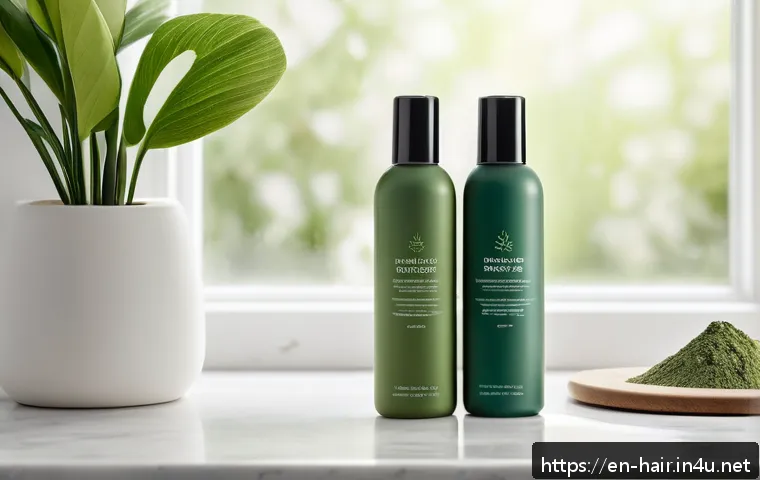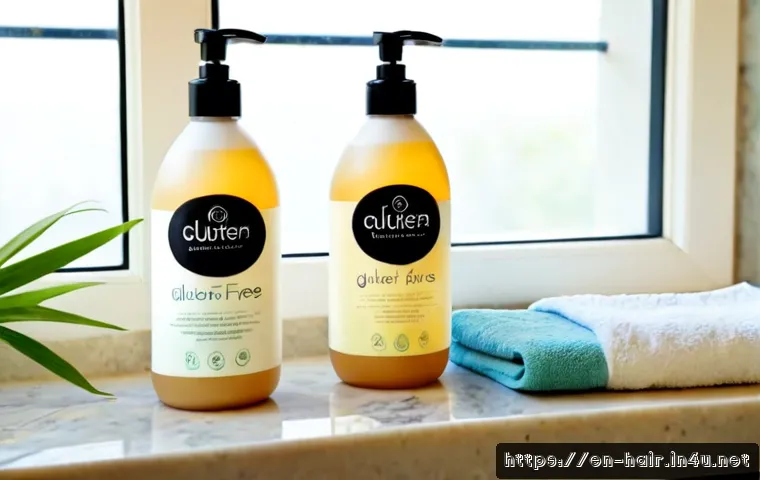
A gluten-free shampoo can be a sensible filter if you avoid wheat, barley, or rye ingredients, but it is not a complete measure of formula quality or scalp suitability.

Compare the full ingredient list, cleansing style, fragrance, bottle size, and price per fluid ounce before buying. A clearly labeled product may save time, yet manufacturer confirmation can be useful when grain-derived ingredients or botanical extracts are unclear.
People with dry hair, color-treated hair, oily scalps, or fragrance sensitivity may need different formula features even when every option is labeled gluten-free.
Larger bottles may offer better value per ounce, while a travel size can be a lower-risk first purchase. The best choice is the one that gives you label confidence, fits your wash routine, and remains comfortable to use.
At a Glance
- Gluten-free is one shopping filter, not a guarantee that a shampoo is fragrance-free, sulfate-free, or right for every scalp.
- Check the complete ingredient list for wheat, barley, rye, and unclear grain-related or botanical ingredients.
- Compare price per fluid ounce, bottle size, and cost per wash instead of assuming a premium formula is automatically better.
| Comparison Point | What to Check | Why It Matters |
|---|---|---|
| Label transparency | Clear gluten-free claim and a complete ingredient list | Helps ingredient-conscious shoppers compare products with more confidence. |
| Scalp compatibility | Fragrance, cleansing strength, conditioning ingredients, and stated scalp focus | A gluten-free formula may still feel too drying, heavy, or irritating for some users. |
| Formula claims | Sulfate-free, fragrance-free, color-safe, or hypoallergenic wording | These are separate claims and should not be assumed from “gluten-free.” |
| Value | Bottle volume, price per fluid ounce, and subscription terms if offered | A larger bottle can lower the unit cost, but a smaller size may reduce waste. |
The Quick Answer: What Matters Most When Choosing a Gluten-Free Shampoo
Gluten-Free Is Only One Part of a Suitable Hair-Care Formula
A gluten-free shampoo is designed without gluten-related ingredients from wheat, barley, or rye, based on the brand’s claim and ingredient information. That can be useful for people who prefer to avoid those ingredients in personal care. However, shampoo is generally a rinse-off product, and its overall suitability still depends on how it cleanses, conditions, smells, and feels on the scalp.
Do not treat a gluten-free claim as shorthand for every other preference. It does not automatically mean the product is fragrance-free, sulfate-free, hypoallergenic, color-safe, or gentle. Read those claims separately and compare them with your own hair and scalp needs.
Start With Ingredient Transparency, Scalp Needs, and Cost Per Wash
A practical shopping order is simple: first check the ingredient list, then compare formula features, then look at value. If the front label is vague, the complete list may provide more useful detail than marketing language such as “clean” or “natural.” For regular use, price per fluid ounce can be more meaningful than the shelf price alone.
When It Is Worth Paying More for a Specialized Formula
A higher-priced salon-quality or specialty shampoo may add value when it provides clearer labeling, a formula feature you specifically need, or a bottle size that fits your routine. It is not automatically the better purchase. If a simpler drugstore formula has an ingredient list you are comfortable with and works well for your hair, it may be enough.
Compare Formulas Before You Buy: Labels, Scalp Benefits, and Price Value
Gluten-Free Claim Versus Full Ingredient-List Clarity
Use the gluten-free statement as a starting point rather than the final decision. Cosmetic ingredient lists may use botanical, scientific, or common names instead of prominent allergen-style warnings. A brand that provides a full list and answers product questions can be easier to assess than one relying only on front-label claims.
Sulfate-Free, Fragrance-Free, and Color-Safe Claims Are Separate Considerations
For a sensitive scalp, fragrance preference may matter as much as gluten-free status. For color-treated hair, look for the brand’s color-care guidance rather than assuming every gluten-free shampoo is color-safe. If you wash often, consider whether the cleansing system and conditioning feel suit repeated use.
How to Compare Bottle Size, Price Per Ounce, and Subscription Savings
Divide the current price by the number of fluid ounces to compare similar products. Larger bottles can cost less per ounce, but only represent good value if you are likely to finish them. A travel size or smaller bottle can be a sensible trial option. If a retailer offers subscription delivery, review the frequency, current terms, and whether the product still fits your routine before enrolling.
How to Check a Shampoo Label for Wheat, Barley, and Rye Ingredients
Common Grain-Related Terms That May Require a Closer Look
Read the list for direct references to wheat, barley, rye, or grain-derived ingredients. Also pause when you see an unfamiliar botanical or plant extract that does not clearly explain its source. This is not a substitute for brand guidance, but it helps you identify when more checking may be worthwhile.
Why Manufacturer Confirmation Can Be Useful for Unclear Labels
A label cannot always answer questions about sourcing, manufacturing, regional versions, or reformulations. If cross-contact controls or the meaning of a gluten-free claim is important to your decision, contact the manufacturer and ask about the specific product. Do not assume that a claim applies to every batch or version unless the brand confirms it.
Avoiding the Mistake of Relying Only on Front-Label Marketing
Terms such as “natural,” “pure,” and “clean beauty” do not independently confirm gluten-free status or scalp compatibility. Turn the bottle around. Compare the ingredient list, formula claims, directions, and size before placing an order.
Match the Formula to Your Hair and Scalp Situation
Dry or Textured Hair: Prioritize Conditioning and Gentle Cleansing

If your hair tends to feel dry, focus on a formula with a conditioning feel that works for your texture. A gluten-free claim alone does not indicate how moisturizing or cleansing the shampoo will feel. Introduce the product gradually so you can judge its effect within your normal routine.
Oily Scalp or Buildup: Balance Cleansing Power With Comfort
People managing oiliness or buildup may prefer a stronger cleansing feel, but comfort still matters. Hair texture, wash frequency, conditioning ingredients, and water hardness can all affect performance. A product that works for one person may not give the same result for another.
Color-Treated Hair and Frequent Washers: Look Beyond the Gluten-Free Claim
For color-treated hair, review the color-safe guidance and cleansing approach. Frequent washers may want a formula that feels comfortable across repeated uses. In both situations, gluten-free status remains one part of the comparison, not the entire decision.
Use, Patch-Test Considerations, and Common Shopping Mistakes
Introduce One New Product at a Time When Possible
Trying one new hair-care product at a time can make it easier to notice how it fits your routine. Changing shampoo, conditioner, styling products, and wash frequency at once makes the result harder to interpret.
Stop Using a Product if Irritation Occurs
If irritation occurs, stop using the product and seek appropriate advice when needed. A gluten-free claim does not predict whether an individual will experience dryness, scalp discomfort, or improved hair feel.
Watch for Reformulations, Multipacks, and “Clean” Assumptions
Check the current label when repurchasing because formulas may change. Multipacks can improve unit value, but they are less useful if the shampoo does not suit you. Avoid buying solely because of broad “clean beauty” wording without checking the details.
Selection Criteria and Comparison Summary
Before choosing a gluten-free shampoo, check the complete ingredient list, the clarity of the gluten-free claim, fragrance and sulfate preferences, your scalp and hair needs, bottle size, and price per fluid ounce. Compare the full ingredient list and cost per wash before choosing. If you are considering a specialty formula, subscription option, or salon-quality shampoo, review the official product details and current terms on the relevant product page.
Conclusion
Gluten-free shampoo shopping is easier when you separate label confidence from general hair-care performance. A transparent ingredient list can be more useful than bold front-label marketing. Choose the formula that matches your scalp preferences, hair routine, and budget rather than paying more for a claim you do not need. When details are unclear, manufacturer confirmation is the safer next step.
Useful Things to Know
1. Shampoo performance can change with water hardness, wash frequency, fragrance, and hair texture.
2. A larger bottle may lower the price per ounce, while a smaller bottle can reduce the risk of waste.
3. Gluten-free, sulfate-free, fragrance-free, and color-safe are separate product characteristics.
Important Considerations
Cosmetic gluten-free claims do not follow the same universal labeling framework used for gluten-free foods. A label may not confirm manufacturing cross-contact practices, every regional version, or future reformulations. For a diagnosed allergy, skin condition, or other medical concern, product suitability should be discussed with a qualified clinician.
Frequently Asked Questions
Q1. Is gluten-free shampoo necessary for people with celiac disease?
A1. It can be a personal-care preference for people avoiding wheat, barley, or rye ingredients. Shampoo is generally rinse-off, but it may contact the hands, face, lips, or scalp during use. For individual medical concerns, seek guidance from a qualified clinician.
Q2. How can I tell whether a shampoo contains wheat, barley, or rye ingredients?
A2. Review the complete ingredient list for direct grain-related terms and unclear botanical or plant-derived ingredients. If the wording is uncertain, contact the manufacturer for clarification about that specific product.
Q3. Are gluten-free shampoos more expensive than regular shampoos?
A3. Price varies by brand, bottle size, formula type, and retailer. Compare price per fluid ounce and consider whether a larger bottle, travel size, or subscription option fits your needs before deciding which product offers better value.