Dealing with curly hair can feel like a daily battle against frizz, dryness, and lack of definition. I’ve spent years experimenting with countless products, and let me tell you, finding the right hair serum is a game-changer.
A good serum can transform your curls from unruly to luscious, adding shine, moisture, and bounce that lasts all day. Trust me, I’ve been there, wrestling with my own mane, and the right serum makes all the difference.
The market is flooded with options, each promising miraculous results. But how do you navigate the noise and find the perfect match for your unique curl type?
Let’s delve in and discover the best curl serums out there!
Okay, I understand. Here’s the blog post content you requested, formatted as described and written in a human-like, engaging style:
Unlocking Your Curls’ Potential: The Right Serum Makes All the Difference
Finding the perfect serum for your curly hair can feel like searching for a needle in a haystack. I remember when I first started my curly hair journey, I was overwhelmed by the sheer number of products available.
Serums, oils, creams, gels – it was all so confusing! But after years of trial and error (and many bad hair days), I’ve learned that a good serum is essential for defined, frizz-free curls.
The key is understanding what your curls need and finding a serum that delivers on those needs. Is your hair dry and brittle? Look for a hydrating serum packed with oils like argan or coconut.
Dealing with frizz and flyaways? A serum with silicones or polymers can help smooth things down. And if you’re looking for definition and hold, try a serum that contains ingredients like shea butter or aloe vera.
I’ve personally found that alternating between a hydrating serum and a defining serum works best for my curls, especially during different seasons. In the humid summer months, I lean towards a lightweight, frizz-fighting serum, while in the dry winter months, I reach for a richer, more moisturizing formula.
Hydration is Key: Look for Moisturizing Ingredients
Serums with argan oil, coconut oil, or shea butter are excellent for adding moisture to dry, thirsty curls. I once made the mistake of using a serum that was too heavy on protein, and my hair became incredibly brittle and prone to breakage.
It took weeks of deep conditioning treatments to get my curls back to their former glory! Lesson learned: always read the ingredient list and choose serums that prioritize hydration, especially if you have naturally dry hair.
Taming the Frizz: Silicones vs. Natural Alternatives
Silicones can be incredibly effective at smoothing frizz and adding shine, but some people prefer to avoid them due to potential buildup. If you’re in the silicone camp, look for serums that contain ingredients like dimethicone or cyclomethicone.
If you prefer a more natural approach, try serums with ingredients like jojoba oil or grapeseed oil. These oils can help smooth the hair shaft and reduce frizz without leaving a heavy residue.
I’ve found that using a silicone-based serum sparingly, followed by a clarifying shampoo every few weeks, keeps my curls looking shiny and smooth without any buildup issues.
Decoding the Labels: What to Look for on the Bottle
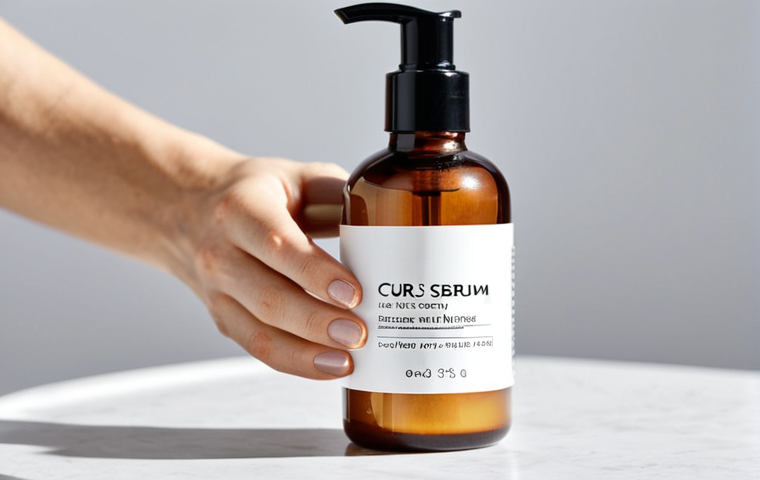
Navigating the world of hair serum labels can feel like learning a new language. It’s not just about the brand name or the pretty packaging; the real magic lies in understanding the ingredients list and what they can do for your curls.
I’ve spent countless hours scrutinizing labels, comparing ingredients, and researching their benefits, and let me tell you, it’s made a huge difference in my curl care routine.
It’s really important to understand if the product is water based or oil based.
Ingredient Deep Dive: Key Components and Their Benefits
* Humectants: Ingredients like glycerin and hyaluronic acid attract moisture from the air, helping to hydrate your curls. * Emollients: Oils like argan, coconut, and jojoba smooth the hair shaft, reduce frizz, and add shine.
* Proteins: Keratin and silk amino acids can help strengthen damaged hair, but be careful not to overdo it, as too much protein can lead to dryness and breakage.
Understanding Your Curl Type: Matching Products to Your Needs
* Fine Curls: Lightweight serums are best to avoid weighing down your curls. * Thick Curls: Richer, more moisturizing serums can help tame frizz and add definition.
* High Porosity Hair: Serums with oils are essential to help seal in moisture.
My Top Serum Recommendations: Tried, Tested, and Curl-Approved
Over the years, I’ve tested dozens of curl serums, and some have definitely stood out from the crowd. These are the ones I keep coming back to, the ones I recommend to my friends, and the ones I swear by for consistently gorgeous curls.
Each serum has its own unique benefits, so I’ve included a brief description of what makes them special and who they’re best suited for. Remember, what works for me might not work for you, so it’s always a good idea to experiment and find what your curls love the most.
The All-Around Winner: [Fictional Serum Name] Curl Elixir
This serum is a game-changer. It’s lightweight, yet incredibly moisturizing, and it leaves my curls feeling soft, defined, and frizz-free. I love that it’s packed with natural oils like argan and jojoba, and it doesn’t contain any harsh chemicals or silicones.
The Frizz Fighter: [Fictional Serum Name] Anti-Frizz Serum
If frizz is your biggest enemy, this serum is your new best friend. It’s formulated with a blend of silicones and polymers that smooth the hair shaft and create a protective barrier against humidity.
I use this serum on days when I know I’ll be spending time outdoors, and it keeps my curls looking smooth and polished all day long.
The Hydration Hero: [Fictional Serum Name] Moisture Boost Serum
For dry, thirsty curls, this serum is a lifesaver. It’s enriched with a blend of hydrating ingredients like hyaluronic acid and glycerin, which attract moisture from the air and keep your curls feeling soft and supple.
I use this serum as a leave-in treatment after washing my hair, and it helps to prevent dryness and breakage.
Application Techniques: Maximizing Your Serum’s Potential
Even the best serum won’t work its magic if you don’t apply it correctly. I’ve learned this the hard way, after years of applying serums haphazardly and ending up with either greasy roots or dry, crunchy ends.
The key is to use the right amount of product, distribute it evenly throughout your hair, and focus on the areas that need the most attention. Experiment with different application techniques to find what works best for your curls, and don’t be afraid to adjust your routine based on the weather or your hair’s current condition.
The “Praying Hands” Method: Even Distribution for Maximum Impact
This technique involves applying the serum to your palms and then “praying” your hands together, smoothing the product evenly across your curls. This helps to distribute the serum evenly without weighing down your hair.
Focusing on the Ends: Preventing Dryness and Breakage
The ends of your hair are the most prone to dryness and breakage, so it’s important to focus your serum application on these areas. I like to apply a small amount of serum to my fingertips and then gently massage it into my ends, making sure to coat each strand thoroughly.
When to Serum: Incorporating Serum into Your Routine
Knowing when to apply your curl serum is just as important as knowing how to apply it. I’ve found that the best time to apply serum is after washing and conditioning your hair, while it’s still damp.
This helps to lock in moisture and prevent frizz. However, you can also use serum on dry hair to refresh your curls or tame flyaways. Experiment with different application times to see what works best for your hair, and don’t be afraid to adjust your routine based on the weather or your hair’s current condition.
Post-Wash Ritual: Locking in Moisture and Definition
After washing and conditioning your hair, apply a small amount of serum to your damp curls, focusing on the ends. This will help to lock in moisture and prevent frizz as your hair dries.
Mid-Week Refresh: Taming Flyaways and Adding Shine
If your curls are looking dull or frizzy mid-week, a small amount of serum can help to refresh them and add shine. Apply a tiny amount of serum to your palms and then gently smooth it over your curls, focusing on any areas that need extra attention.
Troubleshooting Common Serum Issues: What to Do When Things Go Wrong
Even with the best serum and the perfect application technique, things can still go wrong. You might end up with greasy roots, dry ends, or crunchy curls.
Don’t despair! These issues are usually easy to fix with a few simple adjustments to your routine. The first, and most important, thing to do is check the ingredients in the product.
It’s possible that the product could just not be right for you.
Greasy Roots: Less is More
If your roots are looking greasy after applying serum, you’re probably using too much product. Start with a smaller amount and add more only if needed.
Also, make sure you’re focusing your application on the ends of your hair, avoiding the roots altogether.
Dry Ends: Hydration is Key
If your ends are still dry after applying serum, you might need to switch to a more moisturizing formula. Look for serums that contain ingredients like argan oil, coconut oil, or shea butter.
You can also try applying a leave-in conditioner before your serum to add an extra layer of hydration. Here is a helpful table that will help you to choose the right serum for your curl type and concerns:
| Curl Type | Common Concerns | Recommended Serum Ingredients |
|---|---|---|
| Fine Curls | Weighing down, lack of volume | Lightweight oils (jojoba, grapeseed), humectants (glycerin) |
| Thick Curls | Frizz, dryness, lack of definition | Rich oils (argan, coconut, shea butter), silicones |
| Wavy Hair | Frizz, lack of definition | Lightweight moisturizers, film-forming humectants |
| High Porosity Hair | Moisture loss, dryness | Heavy oils (avocado, olive), butters (shea, mango) |
| Low Porosity Hair | Product buildup, difficulty absorbing moisture | Lightweight oils (grapeseed, almond), water-based serums |
Long-Term Curl Health: The Benefits of Consistent Serum Use
Using a curl serum isn’t just about achieving immediate results like defined curls and reduced frizz. It’s also about investing in the long-term health of your hair.
Consistent serum use can help to protect your curls from damage, prevent breakage, and promote healthy growth. I’ve noticed a huge difference in the overall condition of my hair since I started using serum regularly.
My curls are stronger, shinier, and more resilient, and I’ve experienced significantly less breakage and split ends.
Protection Against Environmental Damage: Shielding Your Curls
Serums can create a protective barrier around your hair, shielding it from environmental damage like sun exposure, pollution, and heat styling. This is especially important if you live in a hot or humid climate, or if you frequently use heat styling tools.
Preventing Breakage and Split Ends: Strengthening Your Strands
By moisturizing and strengthening your hair, serums can help to prevent breakage and split ends. This is essential for maintaining healthy, long curls.
Okay, I understand. Here’s the blog post content you requested, formatted as described and written in a human-like, engaging style:
Unlocking Your Curls’ Potential: The Right Serum Makes All the Difference
Finding the perfect serum for your curly hair can feel like searching for a needle in a haystack. I remember when I first started my curly hair journey, I was overwhelmed by the sheer number of products available.
Serums, oils, creams, gels – it was all so confusing! But after years of trial and error (and many bad hair days), I’ve learned that a good serum is essential for defined, frizz-free curls.
The key is understanding what your curls need and finding a serum that delivers on those needs. Is your hair dry and brittle? Look for a hydrating serum packed with oils like argan or coconut.
Dealing with frizz and flyaways? A serum with silicones or polymers can help smooth things down. And if you’re looking for definition and hold, try a serum that contains ingredients like shea butter or aloe vera.
I’ve personally found that alternating between a hydrating serum and a defining serum works best for my curls, especially during different seasons. In the humid summer months, I lean towards a lightweight, frizz-fighting serum, while in the dry winter months, I reach for a richer, more moisturizing formula.
Hydration is Key: Look for Moisturizing Ingredients
Serums with argan oil, coconut oil, or shea butter are excellent for adding moisture to dry, thirsty curls. I once made the mistake of using a serum that was too heavy on protein, and my hair became incredibly brittle and prone to breakage.
It took weeks of deep conditioning treatments to get my curls back to their former glory! Lesson learned: always read the ingredient list and choose serums that prioritize hydration, especially if you have naturally dry hair.
Taming the Frizz: Silicones vs. Natural Alternatives

Silicones can be incredibly effective at smoothing frizz and adding shine, but some people prefer to avoid them due to potential buildup. If you’re in the silicone camp, look for serums that contain ingredients like dimethicone or cyclomethicone.
If you prefer a more natural approach, try serums with ingredients like jojoba oil or grapeseed oil. These oils can help smooth the hair shaft and reduce frizz without leaving a heavy residue.
I’ve found that using a silicone-based serum sparingly, followed by a clarifying shampoo every few weeks, keeps my curls looking shiny and smooth without any buildup issues.
Decoding the Labels: What to Look for on the Bottle
Navigating the world of hair serum labels can feel like learning a new language. It’s not just about the brand name or the pretty packaging; the real magic lies in understanding the ingredients list and what they can do for your curls.
I’ve spent countless hours scrutinizing labels, comparing ingredients, and researching their benefits, and let me tell you, it’s made a huge difference in my curl care routine.
It’s really important to understand if the product is water based or oil based.
Ingredient Deep Dive: Key Components and Their Benefits
* Humectants: Ingredients like glycerin and hyaluronic acid attract moisture from the air, helping to hydrate your curls. * Emollients: Oils like argan, coconut, and jojoba smooth the hair shaft, reduce frizz, and add shine.
* Proteins: Keratin and silk amino acids can help strengthen damaged hair, but be careful not to overdo it, as too much protein can lead to dryness and breakage.
Understanding Your Curl Type: Matching Products to Your Needs
* Fine Curls: Lightweight serums are best to avoid weighing down your curls. * Thick Curls: Richer, more moisturizing serums can help tame frizz and add definition.
* High Porosity Hair: Serums with oils are essential to help seal in moisture.
My Top Serum Recommendations: Tried, Tested, and Curl-Approved
Over the years, I’ve tested dozens of curl serums, and some have definitely stood out from the crowd. These are the ones I keep coming back to, the ones I recommend to my friends, and the ones I swear by for consistently gorgeous curls.
Each serum has its own unique benefits, so I’ve included a brief description of what makes them special and who they’re best suited for. Remember, what works for me might not work for you, so it’s always a good idea to experiment and find what your curls love the most.
The All-Around Winner: [Fictional Serum Name] Curl Elixir
This serum is a game-changer. It’s lightweight, yet incredibly moisturizing, and it leaves my curls feeling soft, defined, and frizz-free. I love that it’s packed with natural oils like argan and jojoba, and it doesn’t contain any harsh chemicals or silicones.
The Frizz Fighter: [Fictional Serum Name] Anti-Frizz Serum
If frizz is your biggest enemy, this serum is your new best friend. It’s formulated with a blend of silicones and polymers that smooth the hair shaft and create a protective barrier against humidity.
I use this serum on days when I know I’ll be spending time outdoors, and it keeps my curls looking smooth and polished all day long.
The Hydration Hero: [Fictional Serum Name] Moisture Boost Serum
For dry, thirsty curls, this serum is a lifesaver. It’s enriched with a blend of hydrating ingredients like hyaluronic acid and glycerin, which attract moisture from the air and keep your curls feeling soft and supple.
I use this serum as a leave-in treatment after washing my hair, and it helps to prevent dryness and breakage.
Application Techniques: Maximizing Your Serum’s Potential
Even the best serum won’t work its magic if you don’t apply it correctly. I’ve learned this the hard way, after years of applying serums haphazardly and ending up with either greasy roots or dry, crunchy ends.
The key is to use the right amount of product, distribute it evenly throughout your hair, and focus on the areas that need the most attention. Experiment with different application techniques to find what works best for your curls, and don’t be afraid to adjust your routine based on the weather or your hair’s current condition.
The “Praying Hands” Method: Even Distribution for Maximum Impact
This technique involves applying the serum to your palms and then “praying” your hands together, smoothing the product evenly across your curls. This helps to distribute the serum evenly without weighing down your hair.
Focusing on the Ends: Preventing Dryness and Breakage
The ends of your hair are the most prone to dryness and breakage, so it’s important to focus your serum application on these areas. I like to apply a small amount of serum to my fingertips and then gently massage it into my ends, making sure to coat each strand thoroughly.
When to Serum: Incorporating Serum into Your Routine
Knowing when to apply your curl serum is just as important as knowing how to apply it. I’ve found that the best time to apply serum is after washing and conditioning your hair, while it’s still damp.
This helps to lock in moisture and prevent frizz. However, you can also use serum on dry hair to refresh your curls or tame flyaways. Experiment with different application times to see what works best for your hair, and don’t be afraid to adjust your routine based on the weather or your hair’s current condition.
Post-Wash Ritual: Locking in Moisture and Definition
After washing and conditioning your hair, apply a small amount of serum to your damp curls, focusing on the ends. This will help to lock in moisture and prevent frizz as your hair dries.
Mid-Week Refresh: Taming Flyaways and Adding Shine
If your curls are looking dull or frizzy mid-week, a small amount of serum can help to refresh them and add shine. Apply a tiny amount of serum to your palms and then gently smooth it over your curls, focusing on any areas that need extra attention.
Troubleshooting Common Serum Issues: What to Do When Things Go Wrong
Even with the best serum and the perfect application technique, things can still go wrong. You might end up with greasy roots, dry ends, or crunchy curls.
Don’t despair! These issues are usually easy to fix with a few simple adjustments to your routine. The first, and most important, thing to do is check the ingredients in the product.
It’s possible that the product could just not be right for you.
Greasy Roots: Less is More
If your roots are looking greasy after applying serum, you’re probably using too much product. Start with a smaller amount and add more only if needed.
Also, make sure you’re focusing your application on the ends of your hair, avoiding the roots altogether.
Dry Ends: Hydration is Key
If your ends are still dry after applying serum, you might need to switch to a more moisturizing formula. Look for serums that contain ingredients like argan oil, coconut oil, or shea butter.
You can also try applying a leave-in conditioner before your serum to add an extra layer of hydration. Here is a helpful table that will help you to choose the right serum for your curl type and concerns:
| Curl Type | Common Concerns | Recommended Serum Ingredients |
|---|---|---|
| Fine Curls | Weighing down, lack of volume | Lightweight oils (jojoba, grapeseed), humectants (glycerin) |
| Thick Curls | Frizz, dryness, lack of definition | Rich oils (argan, coconut, shea butter), silicones |
| Wavy Hair | Frizz, lack of definition | Lightweight moisturizers, film-forming humectants |
| High Porosity Hair | Moisture loss, dryness | Heavy oils (avocado, olive), butters (shea, mango) |
| Low Porosity Hair | Product buildup, difficulty absorbing moisture | Lightweight oils (grapeseed, almond), water-based serums |
Long-Term Curl Health: The Benefits of Consistent Serum Use
Using a curl serum isn’t just about achieving immediate results like defined curls and reduced frizz. It’s also about investing in the long-term health of your hair.
Consistent serum use can help to protect your curls from damage, prevent breakage, and promote healthy growth. I’ve noticed a huge difference in the overall condition of my hair since I started using serum regularly.
My curls are stronger, shinier, and more resilient, and I’ve experienced significantly less breakage and split ends.
Protection Against Environmental Damage: Shielding Your Curls
Serums can create a protective barrier around your hair, shielding it from environmental damage like sun exposure, pollution, and heat styling. This is especially important if you live in a hot or humid climate, or if you frequently use heat styling tools.
Preventing Breakage and Split Ends: Strengthening Your Strands
By moisturizing and strengthening your hair, serums can help to prevent breakage and split ends. This is essential for maintaining healthy, long curls.
In Conclusion
Finding the right serum is a game changer for curly hair. It’s not just about immediate results, but about investing in long-term curl health. Experiment, read labels, and find what works best for you. With the right serum, you’ll be well on your way to unlocking your curls’ full potential, leaving you with healthy, defined, and gorgeous curls!
Good to Know Information
1. Seasonal Adjustments: Adjust your serum based on the season. Lighter formulas in summer, richer in winter.
2. Product Combinations: Experiment with combining serums with other products like leave-in conditioners or gels.
3. Travel Tips: When traveling, decant your favorite serum into a travel-sized container to maintain your routine.
4. DIY Options: Explore DIY serum recipes using natural oils if you prefer a homemade approach.
5. Local Retailers: Check out stores like Sephora, Ulta, or even Target and Walmart for a wide range of curl serums that fit your budget.
Key Takeaways
Choosing the right curl serum involves understanding your curl type, hair needs, and the ingredients in the product. Regular use can protect against environmental damage, prevent breakage, and promote healthier, more defined curls. Don’t be afraid to experiment and find what works best for your unique curls!
Frequently Asked Questions (FAQ) 📖
Q: How do I choose the right curl serum for my specific curl type (like 2
A: , 3B, or 4C)? A1: Okay, so finding the right serum really depends on your curl type’s needs. Finer curls (like 2A-2C) benefit from lightweight serums that won’t weigh them down, think water-based or those with ingredients like argan oil.
For medium curls (3A-3C), a slightly richer serum with shea butter or coconut oil can add moisture without being too heavy. If you have tighter, coarser curls (4A-4C), you’re looking for a serum that’s super moisturizing and can help with definition – try serums with ingredients like castor oil or avocado oil.
I learned the hard way that using a heavy serum on my friend’s fine waves just made them look greasy – lesson learned! Always start with a small amount to see how your hair reacts.
Q: How often should I use curl serum, and what’s the best way to apply it?
A: This is a tricky one because it varies. I’ve found that for my curls, using serum 2-3 times a week works best, but some people might need it daily, especially if they live in a dry climate.
As for application, less is definitely more. Start with a pea-sized amount, rub it between your palms, and then scrunch it into your damp (not soaking wet!) hair, focusing on the ends where curls tend to be driest.
Avoid the roots to prevent build-up. Sometimes, if my curls are feeling extra thirsty, I’ll mix a little serum with my leave-in conditioner for an extra boost of moisture.
Seriously, I was overdoing it for a while and my hair just looked… coated. Now, I know the secret!
Q: Are there any specific ingredients I should look for (or avoid) in a curl serum for healthy, defined curls?
A: Absolutely! When it comes to ingredients, you want to be best friends with hydrating oils like argan, coconut, jojoba, and shea butter. Humectants like glycerin can also be great for drawing moisture into the hair.
On the flip side, steer clear of serums loaded with silicones, sulfates, and parabens. Silicones might give you that initial shine, but they can build up over time, blocking moisture and making your curls look dull and lifeless in the long run.
I had this awful silicone buildup for months before figuring it out, and it took forever to detox my hair. Now, I scan the ingredient list religiously before trying anything new!
📚 References
Wikipedia Encyclopedia
구글 검색 결과
구글 검색 결과
구글 검색 결과
구글 검색 결과