When it comes to hair care, the terms “hair essence” and “hair cream” often get tossed around interchangeably, but they actually serve different purposes.
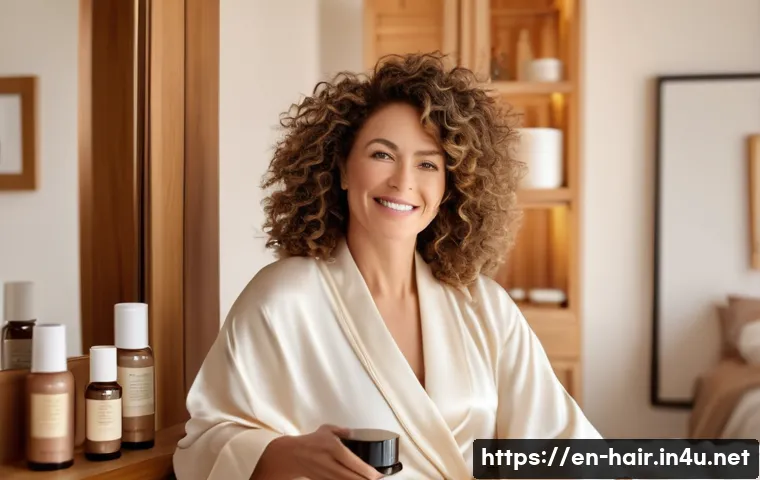
Hair essence is typically lightweight and designed to nourish and repair from within, while hair cream usually offers more moisture and styling control.
Understanding these differences can help you choose the right product for your hair type and needs. Whether you’re battling dryness, frizz, or just want to boost shine, knowing how each product works can make a huge difference.
Let’s dive deeper and get the facts straight!
Understanding How Hair Products Interact with Different Hair Types
Why Hair Texture Matters More Than You Think
When I first started experimenting with hair care products, I was surprised at how differently my wavy hair responded compared to my friend’s straight hair.
Hair texture plays a crucial role in determining which product will work best. For example, thicker, coarser hair often benefits from richer products that provide intense moisture and control, whereas fine or thin hair can easily get weighed down by heavy creams or oils.
Hair essence, with its lightweight formulation, tends to be a better fit for those who want nourishment without losing volume. On the other hand, hair cream can be a lifesaver for those struggling with frizz or dryness, especially in curly or coarse hair.
Matching Product Weight with Your Hair’s Needs
Not all hydration is created equal, and the weight of your hair product affects how your hair feels and behaves throughout the day. Lightweight essences absorb quickly and penetrate deep into the hair shaft, providing internal repair without leaving residue.
If you’re someone who enjoys a natural bounce and light touch, essences might be your best bet. Creams, however, tend to sit more on the surface, creating a protective barrier that locks in moisture and tames flyaways.
I noticed that after using a cream, my hair felt smoother and more manageable, especially during humid days, but if I applied too much, it could look greasy.
Understanding this balance is key to picking the right product.
Environmental Factors and Product Performance
Living in a city with a lot of pollution and fluctuating weather, I realized that the environment also impacts how hair products perform. Hair essence can be great for daily protection against pollutants, as it’s designed to strengthen hair internally, making strands less prone to damage.
Meanwhile, creams help shield hair from external aggressors like wind and dryness by forming a protective layer. For those dealing with seasonal changes—think dry winters or sticky summers—combining these products strategically can really help maintain healthy hair.
For example, I use essence in the morning for repair and cream in the evening for moisture and styling.
Decoding Ingredients: What Makes Hair Essence and Cream Unique?
Key Components in Hair Essence That Nourish Deeply
Hair essences often contain concentrated active ingredients like amino acids, vitamins, and botanical extracts designed to penetrate the hair shaft and repair damage from the inside out.
I’ve found products with ingredients such as keratin, biotin, and antioxidants to be especially effective in revitalizing dull or brittle hair. Because essences are lightweight, they usually include water-based or silicone-based carriers that allow for quick absorption without weighing hair down.
This is why they’re excellent for daily use, even if you have fine hair or are prone to oiliness.
Moisturizing Agents and Emollients in Hair Creams
Hair creams, by contrast, are richer and packed with emollients like shea butter, oils (argan, coconut), and silicones that create a moisture-locking barrier.
When I switched to a cream-based product during winter, I noticed my scalp and ends felt less dry and brittle. Creams also often include ingredients that help with styling—think polymers or light hold agents—that add control without the stiffness of gels or sprays.
This makes creams versatile for both nourishing and styling, especially for those with thicker or frizz-prone hair.
How Ingredient Transparency Helps You Choose Better
One thing I always do before buying any hair product is check the ingredient list carefully. Products that clearly list active components and avoid heavy fillers tend to perform better.
For example, some hair creams are loaded with alcohols or synthetic fragrances that can dry out hair or irritate the scalp. In contrast, many high-quality essences focus on minimal, potent ingredients that provide real benefits.
Knowing what to look for can save you time and money, and prevent the frustration of trial and error.
Practical Tips for Incorporating Hair Essence and Cream Into Your Routine
When and How to Apply Hair Essence for Maximum Benefit
From personal experience, the best time to apply hair essence is right after washing your hair when it’s still damp. This allows the product to penetrate deeply as your hair cuticles are open.
I usually pump a small amount into my palms, rub my hands together, then gently run my fingers through the mid-lengths and ends. Avoid the roots to prevent greasiness.
Using essence daily can gradually improve hair texture and resilience, but don’t overdo it—too much can leave your hair feeling sticky or weighed down.
Incorporating Hair Cream for Styling and Hydration
Hair cream is a bit more versatile because it doubles as a styling aid. I typically apply a dime-sized amount to dry hair to tame frizz and add softness, or on damp hair before blow-drying to lock in moisture and create a polished look.
For those with curly hair, scrunching cream into wet hair helps define curls and reduce frizz. Just remember, creams are heavier, so start with a small amount and add more only if needed.
Over-application can cause buildup and dull your hair’s natural shine.
Combining Both for a Balanced Hair Care Strategy
I’ve found that layering these products can yield fantastic results. For instance, using an essence in the morning for repair and a cream at night for moisture and styling control creates a balanced routine that addresses both internal health and external appearance.
Just be mindful of how your hair responds—if it starts to feel heavy or greasy, it might be time to scale back or adjust quantities. Experimenting with different timings and amounts helped me find what my hair truly needs rather than blindly following trends.
Common Misconceptions About Hair Care Products Debunked
Heavier Means Better Moisture—Not Always True
A lot of people assume that thicker, creamier products automatically hydrate better, but that’s not always the case. I’ve seen fine-haired friends struggle with heavy creams that weighed their hair down and made it look flat.
Meanwhile, lightweight essences delivered just enough nourishment without sacrificing volume. The key is understanding your hair’s porosity and needs rather than sticking to product “heft” as a measurement of effectiveness.
Essence Is Only for Damaged Hair—Wrong
Essences aren’t just rescue products for damaged strands. Even if your hair seems healthy, essences can serve as a preventative measure to maintain strength and shine.
I incorporate essences into my routine regularly, not just when my hair feels dry or brittle. It’s like giving your hair a daily multivitamin—small doses that add up over time to better overall health.
You Must Choose One Product Type Exclusively
Some people believe they have to pick either essence or cream and stick with it, but mixing both can actually be beneficial. I personally found that using them together, tailored to my hair’s condition and the season, kept my hair balanced and happy.

Sometimes hair needs light nourishment, other times it craves richer hydration and control. Flexibility is key.
How to Read Labels and Packaging Like a Pro
Spotting Key Ingredients for Your Hair Goals
When I shop for hair products, I always look for ingredients that align with my hair goals. For repair and nourishment, things like keratin, argan oil, and panthenol stand out.
If frizz control or styling is the priority, I seek out silicones or natural butters. Labels can be tricky with marketing jargon, so focusing on the first five ingredients usually gives a clearer picture of what you’re getting.
Understanding Claims Versus Reality
Product labels often promise “instant shine” or “miracle repair,” but that doesn’t always translate to real results. I’ve learned to take such claims with a grain of salt and rely more on ingredient lists and user reviews.
Sometimes the best products offer subtle but consistent improvements rather than flashy overnight transformations.
Expiration Dates and Shelf Life Awareness
Hair care products, like any cosmetic, have a shelf life. I once kept a hair cream for years before realizing it had expired and was causing scalp irritation.
Checking expiration dates and proper storage (away from heat and sunlight) helps maintain product efficacy and prevents adverse reactions. If a product changes color, texture, or smell, it’s time to toss it.
Comparing Hair Essence and Hair Cream: A Quick Reference
| Feature | Hair Essence | Hair Cream |
|---|---|---|
| Texture | Lightweight, watery or serum-like | Thicker, creamy |
| Main Purpose | Nourishes and repairs from within | Provides moisture and styling control |
| Best For | Fine, normal, or oily hair needing repair | Dry, coarse, or frizzy hair needing hydration and manageability |
| Application Timing | Usually on damp hair post-wash | On damp or dry hair, depending on styling needs |
| Effect on Hair | Light, non-greasy, enhances shine | Smooths, tames frizz, can weigh hair if overused |
| Common Ingredients | Vitamins, amino acids, botanical extracts | Shea butter, oils, silicones |
Expert Tips for Choosing Between Hair Essence and Cream
Listen to Your Hair’s Response Over Time
Hair changes with seasons, stress levels, and health, so what works today might not work tomorrow. I keep track of how my hair feels after using essence or cream and adjust accordingly.
If hair feels limp or greasy, I switch to a lighter product or use less. If it’s dry or brittle, I opt for richer creams or combine both.
Consider Your Lifestyle and Daily Routine
Busy mornings or active days call for quick-absorbing products like essences, which don’t leave residue or require much styling effort. If you enjoy styling your hair or need extra control, creams can be a great addition.
I find that having both on hand allows me to adapt based on my schedule and hair’s current state.
Patch Test New Products to Avoid Surprises
Trying a new hair product can be exciting but also risky if you have sensitive scalp or allergies. I always do a small patch test before fully incorporating a product into my routine.
This simple step saved me from irritation and helped me find the perfect match without wasting money.
Seasonal Adjustments: Switching Hair Products Throughout the Year
Summer Strategies for Lightweight Care
During hot months, my hair tends to get oily faster and frizz can spike due to humidity. I lean heavily on hair essences for their light feel and nourishing benefits without heaviness.
I avoid heavy creams that can trap sweat or dust, opting instead for sprays or light essences with UV protection.
Winter Care with Richer Moisture
Cold, dry air can zap moisture from hair, making creams my go-to during winter. I use them more generously to seal in hydration and protect against static and breakage.
Layering a hair essence underneath cream boosts repair and keeps hair from feeling brittle.
Transitioning Smoothly Between Seasons
The shift between seasons is tricky; I often combine both products, using essence in the morning and cream at night. This gradual change helps my hair adapt without shock, maintaining a healthy balance of moisture and repair.
It’s a routine I swear by to keep my hair happy year-round.
In Closing
Understanding how hair essence and cream interact with your unique hair type can transform your hair care routine. By paying attention to your hair’s texture, needs, and environmental factors, you can choose the right products that nourish and protect effectively. Remember, the key is balance and personalization rather than one-size-fits-all solutions. With a little experimentation, you’ll find the perfect combo that keeps your hair healthy and vibrant.
Useful Tips to Keep in Mind
1. Always apply hair essence on damp hair for deeper absorption and better results.
2. Use hair cream sparingly to avoid weighing down your hair, especially if it’s fine or thin.
3. Adjust your hair care products seasonally to address changes in humidity and temperature.
4. Check ingredient lists carefully to avoid harmful additives and choose nourishing components.
5. Patch test new products to prevent irritation and find what truly suits your scalp and hair.
Key Takeaways
Choosing between hair essence and cream depends on your hair type, lifestyle, and goals. Essences offer lightweight repair and shine without heaviness, ideal for fine or oily hair, while creams provide rich moisture and styling control for dry or frizzy hair. Understanding product ingredients and how to apply them correctly ensures you maximize their benefits. Finally, stay flexible by adapting your routine with the seasons and listening to your hair’s changing needs for consistently healthy, manageable locks.
Frequently Asked Questions (FAQ) 📖
Q: Can I use hair essence and hair cream together in my hair care routine?
A: Absolutely! Hair essence and hair cream can complement each other well. Typically, you’d apply the essence first since it’s lightweight and penetrates deeply to nourish and repair your hair from within.
After that, you can use hair cream to lock in moisture, tame frizz, and style your hair. Just make sure not to overload your hair with too many products to avoid weighing it down.
Q: Which product is better for curly or frizzy hair—hair essence or hair cream?
A: For curly or frizzy hair, hair cream is usually the go-to because it provides extra moisture and helps define curls while controlling frizz. However, incorporating a hair essence can add an extra layer of nourishment and repair, especially if your curls feel dry or damaged.
So, using both strategically can really improve texture and manageability.
Q: Is hair essence suitable for all hair types, including oily hair?
A: Yes, hair essence is generally lightweight and less likely to make oily hair feel greasy compared to heavier creams or oils. It’s designed to nourish without adding weight, so even if you have oily hair, you can benefit from the repairing and moisturizing effects without the heaviness.
Just apply a small amount mainly to the mid-lengths and ends to avoid greasiness at the roots.