You know that feeling, right? The one where you look in the mirror after a particularly intense styling session – or, let’s be honest, *years* of them – and your hair just screams for help.
It’s dry, brittle, dull, and frankly, a bit sad. We’ve all been there, chasing that perfect blowout or sleek straight look, only to find our beautiful locks feeling more like straw than silk.
It’s a common story in our fast-paced world of endless styling possibilities, and honestly, sometimes it feels like a losing battle. But what if I told you there’s a powerful secret weapon that can turn the tide?
I’ve personally experimented with countless remedies, feeling the frustration of products that promised the world and delivered… well, not much. That’s why I’m so excited to share what I’ve discovered about truly transformative hair masks.
They aren’t just a fleeting trend; they’re a vital step in reclaiming your hair’s health and vibrancy, especially with the constant heat exposure our hair faces daily.
Ready to stop just dreaming of healthy hair and actually achieve it?
Unmasking the Culprit: What Heat Styling Actually Does to Your Precious Strands
The Silent Saboteur: How Heat Strips Your Hair’s Defenses
Oh, how I wish someone had told me years ago the silent damage I was inflicting on my hair every time I picked up that curling iron or flat iron! It’s not just about a temporary dry feeling; it’s a full-on assault on your hair’s very structure.
When you expose your hair to high temperatures, you’re essentially zapping out its natural moisture, which is crucial for elasticity and shine. Think of your hair strands like a delicate chain; each link, or cuticle, lies flat when healthy, reflecting light and feeling smooth.
But heat? It throws those cuticles into disarray, lifting them up and creating tiny cracks. This isn’t just a cosmetic issue; it’s a structural one.
The inner core of your hair, the cortex, which gives it strength, becomes exposed and vulnerable. I remember one particularly disastrous summer where I was convinced I needed perfectly sleek hair every single day.
My hair felt like a bundle of dried straw, completely lifeless. It was rough to the touch, tangled at the slightest breeze, and styling it became a chore, not a joy.
That’s when it hit me: the beautiful styles weren’t worth the long-term cost to my hair’s health. I realized then that understanding *how* heat causes damage is the first, crucial step to truly fixing it.
It’s not just dryness; it’s deep-seated structural compromise.
The Vicious Cycle: From Frizz to Brittleness and Beyond
Once those cuticles are lifted and the inner cortex is exposed, your hair enters a vicious cycle. It becomes porous, meaning it can absorb water quickly but also loses it just as fast.
This leads to that dreaded frizz, especially in humid weather. It also means your hair is less able to hold color, which fades much quicker than it should.
On top of that, the protein bonds within your hair, which are like the scaffolding holding everything together, start to break down. This is where brittleness comes in – the snapping, splitting, and overall weakness that makes your hair feel utterly defeated.
I’ve been there, pulling a brush through my hair only to see what felt like half my head on the brush. It’s truly heartbreaking to see your hair lose its resilience and strength.
This deep-seated fragility isn’t something a regular conditioner can fix; it demands a more intensive approach. The ends start to resemble a frayed rope, and the mid-lengths feel rough and tangled.
It’s a clear sign that the integrity of your hair has been compromised, and it needs a serious intervention to restore its vitality and prevent further damage.
Your Hair’s Rescue Squad: Essential Ingredients for Rejuvenation
Protein Powerhouses: Rebuilding from Within
When my hair was at its absolute worst, I started diving deep into ingredient lists, almost like a detective. What I quickly learned is that heat damage often means protein loss.
Our hair is mostly made of keratin, a type of protein, and heat can break those bonds. So, to truly repair, you need to put that protein back! Look for ingredients like hydrolyzed wheat protein, keratin (of course!), silk amino acids, or soy protein.
These aren’t just fancy words; they’re building blocks. They work by filling in those gaps and strengthening the hair shaft from the inside out. I remember the first time I used a mask rich in hydrolyzed keratin; my hair felt noticeably stronger after just a few uses, less prone to snapping when I brushed it.
It wasn’t an overnight miracle, but the cumulative effect was undeniable. It felt like my hair was finally getting the structural support it desperately needed after enduring so many years of abuse from my trusty (but destructive) flat iron.
This is where the real healing begins, providing the essential strength to combat further breakage and restore resilience.
Moisture Magnets: Hydration for Supple Strands
Beyond protein, intense hydration is non-negotiable for heat-damaged hair. When your hair feels like straw, it’s screaming for moisture. Ingredients like hyaluronic acid (yes, the one for your skin!), glycerin, aloe vera, and various botanical oils are absolute game-changers.
Hyaluronic acid, in particular, is a superstar because it can hold a thousand times its weight in water, drawing moisture into your hair and plumping it up.
Oils like argan, jojoba, coconut, and shea butter also provide deep conditioning, sealing the cuticle to prevent moisture loss and imparting a gorgeous shine.
I’ve personally found that a good balance of both protein and moisture is key. Too much protein can make your hair stiff, while too much moisture can make it feel limp.
Finding a mask that cleverly combines these elements is like striking gold. My hair, which used to feel coarse and thirsty, transformed into something soft and touchable once I committed to this hydrating regimen.
It’s a feeling of pure relief when your hair finally feels quenched and supple again, a tangible sign that it’s on the road to recovery.
The Art of Application: My Foolproof Masking Ritual
Prepping for Perfection: Cleanse and Gently Detangle
You wouldn’t paint on a dirty canvas, right? The same goes for your hair mask! For the best results, always start with freshly shampooed hair.
You want to make sure there’s no build-up or residue that could prevent the mask from penetrating effectively. After shampooing, gently squeeze out any excess water with your hands.
You want your hair to be damp, not dripping wet. Then, take a wide-tooth comb and carefully detangle your hair. This is a crucial step I learned the hard way; trying to apply a thick mask to tangled hair is a messy, frustrating business and often leads to more breakage.
Taking those extra few minutes to properly prepare your hair makes all the difference in how well the mask works. Trust me on this one; I used to rush this step and wonder why my masks weren’t delivering maximum impact.
Now, I see it as a non-negotiable part of the ritual, ensuring every strand is ready to soak up the goodness. It’s about creating the perfect foundation for the mask to do its heavy lifting.
Application Acumen: Coating Every Strand with Care
Now for the fun part! Grab a generous amount of your chosen hair mask. I usually start with a dollop about the size of a golf ball for my medium-length hair and add more if needed.
Begin by applying it from the mid-lengths to the ends, really concentrating on those areas that tend to be the most damaged. These are usually the oldest and most vulnerable parts of your hair.
Gently work the product through with your fingers, ensuring every strand feels coated. You can even twist sections of your hair to help distribute the product evenly.
If your roots tend to get oily quickly, avoid applying too much directly to your scalp, but if your scalp is dry, a little bit of nourishing mask can be beneficial there too.
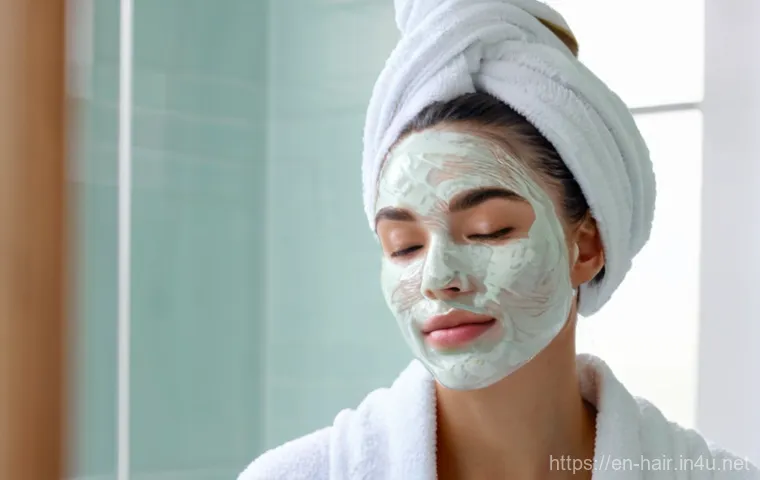
Once it’s all applied, pile your hair loosely on top of your head or wrap it in a warm towel. The warmth helps to open up the cuticles even further, allowing the mask’s ingredients to penetrate deeper.
This is where the magic really happens, giving the active ingredients ample opportunity to work their wonders.
Beyond the Bottle: Cultivating Habits for Lasting Hair Health
Heat Protection: Your Hair’s Invisible Shield
Using hair masks is fantastic for repair, but prevention is always better than cure, right? This is where heat protectant sprays become your hair’s best friend.
I cannot stress enough how much of a difference a good heat protectant makes. It forms a barrier between your hair and the intense heat of styling tools, minimizing the damage.
I used to think they were just another product to sell, but after seeing the tangible difference in my hair’s resilience, I’m a total convert. Always apply it liberally to damp hair before blow-drying and then again to dry hair before using any flat irons or curling wands.
It creates an invisible shield that genuinely protects those delicate protein bonds. It’s an extra step that takes mere seconds but adds years of health to your hair.
This is one of those non-negotiable steps in my routine now, an absolute must for anyone who, like me, still enjoys a bit of heat styling from time to time.
Gentle Handling: Less Is More for Fragile Strands
Beyond heat, how we treat our hair day-to-day plays a massive role in its health. When your hair is damaged, it’s incredibly fragile, almost like wet tissue paper.
Aggressive brushing, tight hairstyles, and even rough towel-drying can cause breakage. I’ve learned to be incredibly gentle, especially when my hair is wet.
Instead of vigorously rubbing with a towel, I gently squeeze out the water. I use a wide-tooth comb or a wet brush to detangle, always starting from the ends and working my way up.
Sleeping on a silk pillowcase can also reduce friction and prevent tangles, which I personally swear by now! It sounds like small changes, but these cumulative gentle actions make a huge difference in preventing further stress and breakage on already compromised hair.
It’s about treating your hair with the respect it deserves, allowing those masks to do their repair work without undoing it with harsh handling.
Navigating the Maze: Finding Your Perfect Hair Mask Match

Understanding Your Hair’s Unique Needs
Just like our skin, our hair has its own unique personality and needs, especially when it’s been through the wringer with heat styling. What works wonders for my fine, color-treated hair might not be the best fit for someone with thick, coarse, virgin hair.
This is where a little bit of self-assessment comes in. Is your hair primarily dry and brittle? Then you’ll want something intensely hydrating and nourishing.
Is it lacking strength and prone to breakage? Focus on protein-rich formulas. Does it just feel generally dull and lifeless?
Look for ingredients that boost shine and vitality. I’ve gone through phases where I bought whatever was trending, only to find it didn’t quite hit the mark for *my* specific issues.
Now, I pay close attention to how my hair feels and responds. Don’t be afraid to experiment, but do so with intention, reading reviews, and understanding the core benefits each mask offers.
It’s a journey of discovery, and finding “the one” is incredibly satisfying.
Deciphering Product Labels: A Mini-Guide
Walking down the hair care aisle can feel like trying to solve a cryptic puzzle, especially with all the marketing jargon. But once you know what to look for, it gets easier.
Beyond the key ingredients we talked about, pay attention to buzzwords like “repair,” “reconstruct,” “deep conditioning,” “moisture,” and “strengthening.” These are usually good indicators that the mask is formulated for damaged hair.
Also, check for “sulfate-free” if you have color-treated hair, as sulfates can strip color. Price isn’t always an indicator of effectiveness, either. Some of my absolute favorite, most effective masks have been surprisingly affordable drugstore finds, while others from high-end brands fell flat.
Don’t be swayed solely by fancy packaging or celebrity endorsements. Instead, flip that bottle over and scrutinize that ingredient list and product claims.
My rule of thumb is to look for a concentration of beneficial ingredients high up on the list, not just fillers.
The Real-World Transformation: What Consistent Masking Feels Like
From Straw to Silk: The Tangible Shift
I can tell you from personal experience, committing to a consistent hair mask routine is one of the best investments you can make for your hair’s health.
It’s not an overnight fix, but after a few weeks of regular use (I aim for 1-2 times a week), the difference is genuinely palpable. The first thing I noticed was a change in texture.
My hair, which felt rough and coarse, slowly began to soften. It started to feel smoother and more supple to the touch, almost like velvet compared to the straw it once was.
Then came the shine – a natural, healthy luster that hadn’t been there in ages, reflecting light beautifully instead of just absorbing it. The ends, which used to be notoriously split and frayed, started to look healthier, even between trims.
It’s a truly wonderful feeling to run your fingers through your hair and not encounter snags or brittle pieces. This transformation wasn’t just superficial; it was a deep, underlying change that made my hair feel truly alive again.
Beyond Aesthetics: The Confidence Boost
And it’s not just about how your hair looks or feels; it’s also about how it makes *you* feel. When my hair was severely damaged, I was constantly trying to hide it, feeling self-conscious about its appearance.
Styling became a chore because nothing looked good, and I spent so much time just trying to make it presentable. But as my hair regained its health and vibrancy, my confidence soared.
I found myself wanting to wear my hair down more often, experimenting with different styles, and generally just feeling better about my overall appearance.
It’s amazing how much a healthy head of hair can impact your self-esteem. It’s like finding a missing piece of yourself. So, if you’re feeling a bit down about your hair’s condition, know that there’s hope, and a consistent hair mask routine can absolutely be the starting point for that much-needed confidence boost.
It’s more than just a beauty treatment; it’s a self-care ritual that truly pays off in how you feel, inside and out.
Affordable Alchemy: Mixing Up Your Own DIY Hair Rescue
Kitchen Cabinet Miracles: Everyday Ingredients, Extraordinary Results
If you’re on a budget or just prefer to know exactly what’s going into your hair, the good news is that your kitchen can be a treasure trove of hair-healing ingredients.
I’ve dabbled in my fair share of DIY masks, and some of them are shockingly effective. For super-dry hair, a mashed avocado mixed with a tablespoon of olive oil and a dash of honey works wonders.
Avocado is packed with vitamins and healthy fats, olive oil is a deep conditioner, and honey is a natural humectant that draws moisture in. For strength, an egg yolk mixed with yogurt can provide a protein boost, leaving your hair feeling stronger.
The beauty of DIY is that you can customize it completely. Just make sure to thoroughly mash or blend your ingredients to avoid little bits getting stuck in your hair!
It’s a rewarding process, turning everyday items into luxurious, effective hair treatments, and honestly, some of my hair’s best days have been after a homemade concoction.
My Favorite DIY Recipes and Tips
Here’s a quick rundown of some of my go-to DIY masks that have genuinely made a difference for my heat-stressed hair. Remember, consistency is key, even with homemade remedies!
| Hair Concern | DIY Mask Ingredients | Benefits | Application Tips |
|---|---|---|---|
| Extreme Dryness & Frizz | 1 ripe avocado, 2 tbsp olive oil, 1 tbsp honey | Deeply hydrating, seals cuticles, adds shine | Blend until smooth, apply to damp hair for 30 mins, rinse thoroughly. |
| Weakness & Breakage | 1 egg yolk, 3 tbsp plain yogurt, 1 tsp coconut oil | Protein boost, strengthens hair, improves elasticity | Mix well, apply to damp hair for 20 mins, rinse with cool water to avoid cooking egg. |
| Dullness & Lack of Shine | 1/2 cup coconut milk, 1 tbsp aloe vera gel | Adds natural luster, conditions, soothes scalp | Combine ingredients, apply to roots to ends for 25 mins, shampoo out. |
| Scalp Dryness & Flakiness | 2 tbsp apple cider vinegar, 1 cup water, a few drops of tea tree oil | Balances pH, clarifies scalp, reduces flakiness | Use as a final rinse after shampooing and conditioning. Do not leave in. |
Always do a patch test first, especially if you have sensitivities, and remember to rinse thoroughly! These kitchen creations are a testament to the power of nature and a fantastic way to give your hair a luxurious treat without breaking the bank.
It’s a truly empowering feeling to nourish your hair with ingredients you trust and understand.
Wrapping Things Up
Whew! We’ve covered a lot, haven’t we? It truly has been a journey through the science of hair damage and the beautiful art of repair. If you take one thing away from our chat today, let it be this: your hair deserves kindness, patience, and the right nourishment. Seeing my own hair transform from brittle and lifeless to soft and vibrant was more than just a cosmetic change; it was a huge confidence booster. Remember, you’re not alone in this, and every small step you take towards healing your hair is a step towards feeling amazing about yourself. Keep at it, experiment with what works for you, and embrace the process. Your hair will absolutely thank you for it!
Handy Tips You’ll Be Glad to Know
Here are a few extra nuggets of wisdom I’ve picked up along my hair-healing journey that might just make yours a little smoother:
1. Master the Cold Rinse: After conditioning or masking, try a quick rinse with cool water. This helps to seal your hair’s cuticles, locking in moisture and boosting shine. It’s a small change that makes a noticeable difference in how smooth your hair feels and looks, especially if frizz is a constant battle for you.
2. Detangle with Care: Never yank a brush through wet hair! Always use a wide-tooth comb or a dedicated wet brush, starting from your ends and gently working your way up. This prevents unnecessary breakage, which is especially crucial when your hair is already compromised.
3. The Magic of Microfiber: Ditch the rough bath towel for your hair! A microfiber towel or even an old cotton t-shirt can significantly reduce friction and prevent frizz when you’re drying your hair. Gently squeeze and blot, don’t rub, to protect those fragile strands.
4. Sleep on Silk: I swear by silk or satin pillowcases! They create less friction on your hair compared to cotton, reducing tangles, frizz, and breakage overnight. It’s a luxurious little upgrade that makes a big impact on your hair’s health, especially if you toss and turn a lot.
5. Inside-Out Nourishment: Remember that true hair health starts from within. A balanced diet rich in proteins, vitamins (especially biotin and Vitamin E), and healthy fats is incredibly important. Staying hydrated by drinking plenty of water also plays a huge role in the overall vitality and strength of your hair. What you put into your body truly shows up in your hair!
Key Takeaways for Your Hair Health
Let’s boil down the most critical points to keep your hair happy and healthy, especially when combating heat damage. First and foremost, recognize that heat styling, while tempting for quick results, fundamentally alters your hair’s structure, stripping it of essential moisture and breaking down vital protein bonds. This leads to the dreaded dryness, frizz, and brittleness we all try to avoid. My personal experience has shown me that consistent, targeted repair is the only way to genuinely reverse this. Prioritize masks and treatments rich in both proteins, like keratin and silk amino acids, and powerful hydrators such as hyaluronic acid and nourishing botanical oils. These ingredients work in synergy to rebuild and replenish your strands from the inside out. Secondly, prevention is absolutely non-negotiable. Always, *always* apply a quality heat protectant before reaching for any styling tools. This invisible shield is your hair’s best defense against future harm. Finally, cultivate gentle habits in your daily routine – from how you detangle your hair to what you sleep on – because every little action contributes to its overall well-being. By integrating these strategies, you’re not just treating symptoms; you’re investing in the long-term resilience and radiance of your precious hair.
Frequently Asked Questions (FAQ) 📖
Q: So, what exactly is a hair mask, and how is it different from my regular conditioner?
A: That’s a fantastic question, and one I get all the time! You know how your daily conditioner gives your hair a quick hug after shampooing, right? It smooths the cuticle and makes it easier to detangle.
Think of a hair mask as a deep, luxurious spa treatment for your strands. From my own experience, the biggest difference lies in the intensity and duration.
Hair masks are packed with a higher concentration of nourishing ingredients like proteins, oils, and humectants, designed to penetrate much deeper into the hair shaft.
While conditioner works mostly on the surface, a mask really gets in there to repair damage, replenish moisture, and strengthen your hair from within.
I usually leave mine on for at least 10-20 minutes – sometimes even longer if I’m really treating myself – to let those powerful ingredients do their magic.
Trust me, you’ll feel the difference; it’s like going from a quick splash to a full-on hydration therapy session!
Q: My hair feels incredibly dry and brittle from all the heat styling. How often should I be using a hair mask to really see a change?
A: Oh, I totally get it! That constant battle with heat styling can really take its toll, leaving our hair feeling like a crunchy mess. In my journey to healthier hair, I’ve found that consistency is key, but it’s also about listening to what your hair needs.
If your hair is currently screaming for help – like it sounds yours is – I’d recommend starting with a mask once or twice a week. Yes, that might sound like a lot, but for severely damaged or parched hair, that initial boost is crucial.
As your hair starts to reclaim its bounce and shine, you can often scale back to once every week or two, or even just a few times a month for maintenance.
I personally adjust based on my styling habits; if I’ve been really going at it with the curling iron, I know it’s mask time! It’s less about a strict schedule and more about tuning into your hair’s SOS signals.
Q: There are so many hair masks out there, it’s overwhelming! How do I choose the right one for my specific hair damage?
A: You’re not alone in feeling overwhelmed; the beauty aisle can be a jungle! But here’s my personal secret weapon for navigating it: focus on the problem you’re trying to solve.
If your hair is dry and brittle, look for masks boasting ingredients like argan oil, shea butter, coconut oil, or hyaluronic acid – these are moisture powerhouses!
If breakage and split ends are your main woe, masks with keratin, silk proteins, or ceramides will be your best friends, as they help rebuild and strengthen the hair structure.
For dull hair that’s lost its luster, ingredients like vitamin E or antioxidant-rich extracts can bring back that glorious shine. I’ve definitely had my share of trial-and-error moments, but reading the ingredient list and matching it to my hair’s specific cries for help has been a game-changer.
Don’t be afraid to experiment a little, but always start by identifying your hair’s biggest complaint, and then let the ingredients guide you!