The winter chill brings cozy sweaters and hot cocoa, but it also heralds the dreaded static hair season. I know that feeling all too well – pulling off a beanie only to have your hair defy gravity, clinging to your face or standing straight up like a startled porcupine.
It’s not just an annoying aesthetic; it can make your hair feel dry, brittle, and frankly, just plain unmanageable. This pervasive issue affects millions, stemming from the dry air and friction common in colder months, but there’s more to it than simple humidity.
We’re on the cusp of some exciting breakthroughs in haircare technology and understanding, so let’s dive into how we can finally achieve sleek, static-free strands, even in the harshest winter conditions.
The latest research, amplified by AI-driven insights, reveals a lot about how material science and atmospheric conditions play a surprisingly large role.
For instance, have you noticed how certain fabrics, like synthetic blends, exacerbate the problem far more than natural fibers like cotton or silk? It’s all about electron transfer, a fascinating interplay that savvy brands are now addressing with innovative, anti-static fabric treatments and even smart hair tools designed to neutralize charges on contact.
Looking ahead, we’re seeing a trend towards hyper-personalized hair solutions, leveraging AI to analyze individual hair porosity and local climate data to recommend bespoke product formulations.
Imagine a future where your hairbrush not only detangles but also emits a subtle, neutralizing mist based on real-time static levels in your environment.
It’s not science fiction; prototypes are already emerging, hinting at a truly frizz-free future. This shift towards proactive, data-driven haircare is poised to revolutionize how we combat static, moving beyond simple topical solutions to truly integrated approaches.
Let’s learn more in detail below.
Unraveling the Mystery of Hair Static: It’s More Than Just Dry Air
The battle against static hair often feels like an unending struggle, especially when the temperatures drop and the indoor heating kicks in. From my own personal experience, what starts as a simple, annoying cling quickly escalates into a full-blown hair halo that seems to defy all logic and styling attempts.
I remember one particularly embarrassing winter morning when I walked into a crucial business meeting looking like I’d just had an electric shock – my hair was literally standing on end, completely independent of my head!
It wasn’t just about the low humidity, as I quickly learned; it’s a complex interplay of various factors that charge our strands, turning them into miniature lightning rods.
The friction from our clothes, scarves, and even the simple act of brushing can transfer electrons, creating an electrostatic charge that makes individual hairs repel each other, leading to that wild, unruly look we all dread.
Understanding this fundamental science is the first, crucial step in effectively combating the issue. It’s not just about adding moisture; it’s about neutralizing electrical charges and building a protective barrier.
I’ve spent countless hours researching and experimenting with different approaches, from high-tech solutions to ancient remedies, and what I’ve discovered is truly transformative.
It’s about empowering ourselves with knowledge, rather than just blindly trying every anti-frizz product on the market.
1.1 The Science Behind the Standoff: Why Hair Charges Up
It all comes down to triboelectricity, a fancy term for static electricity generated by friction. Our hair, especially if it’s fine or damaged, has a tendency to gain or lose electrons when it rubs against other materials.
Wool sweaters, synthetic scarves, even your favorite pillowcase – they all play a role. When your hair loses electrons, it becomes positively charged, and since like charges repel, your strands push away from each other, leading to that gravity-defying fluffiness.
What’s often overlooked is the role of hair porosity. High porosity hair, which has a more open cuticle, tends to absorb and release moisture more readily, making it more susceptible to charge buildup.
Conversely, low porosity hair might struggle with product absorption but can still suffer from static if the air around it is exceptionally dry. I’ve personally seen a massive difference since I started understanding my own hair’s porosity and adapting my routine accordingly.
It’s not a one-size-fits-all problem, and recognizing the nuances of your own hair’s unique structure is a game-changer.
1.2 Environmental Culprits and Hidden Triggers: Beyond the Obvious
While dry air is the most obvious culprit, several environmental and lifestyle factors contribute to the static problem. Heating systems in our homes and offices strip the air of moisture, creating an arid environment that’s perfect for static buildup.
But what about the less obvious triggers? Hard water, for instance, can leave mineral deposits on your hair, making it rougher and more prone to friction.
Even certain types of lighting, particularly fluorescent lights, have been known to slightly alter the ambient electrical charge. I’ve noticed a significant increase in static when I’m working under fluorescent lights all day compared to when I’m in a space with more natural light.
It’s these subtle, often overlooked details that can make a profound difference in managing static. Ignoring them means you’re only tackling half the problem, leaving your hair vulnerable to those annoying electrical charges.
Crafting Your Anti-Static Arsenal: Products That Actually Work
Navigating the haircare aisle for anti-static solutions can feel like a labyrinth, with countless products promising miraculous results. Trust me, I’ve been there, spending a small fortune on serums, sprays, and leave-ins that often fell short of their claims.
The key, I’ve learned, isn’t about buying *more* products, but about investing in the *right* ones – those formulated with ingredients that actively neutralize charge, infuse moisture, and create a protective barrier.
My personal journey involved a lot of trial and error, but I’ve finally curated a collection of staples that genuinely make a difference. It starts with your shampoo and conditioner, extends to your styling products, and even includes some surprising additions that you might not have considered.
Think about it like building a fortress: you need strong foundations, sturdy walls, and a resilient roof to keep everything safe and in place. The products we choose are precisely those components for our hair, working in synergy to combat the pervasive static charge.
It’s about being strategic, not just reactive, in our approach.
2.1 The Hydration Heroes: Shampoos, Conditioners & Leave-ins
The foundation of any anti-static routine is hydration. Dry hair is static-prone hair. Look for shampoos and conditioners that boast “moisturizing,” “hydrating,” or “anti-frizz” properties and contain ingredients like glycerin, hyaluronic acid, argan oil, or shea butter.
These ingredients attract and lock in moisture, effectively reducing the charge buildup. I always follow up with a leave-in conditioner or a styling cream that contains silicone derivatives (like dimethicone) or natural oils.
Silicones, despite some past controversy, are excellent at coating the hair shaft, reducing friction, and smoothing the cuticles, which is crucial for preventing static.
For me, a good leave-in is non-negotiable, especially during the drier months. It’s like a constant protective shield against the elements, ensuring my hair stays supple and less prone to electron transfer.
2.2 Targeted Treatments: Serums, Sprays & Oils
For an extra layer of defense, static-specific serums and sprays are indispensable. These often contain cationic polymers or anti-static agents that actively neutralize the electrical charge.
A lightweight hair oil, applied sparingly to the ends, can also work wonders by adding weight and moisture without making your hair greasy. I keep a travel-sized anti-static spray in my purse for quick touch-ups throughout the day – it’s a lifesaver when I suddenly find my hair clinging to my face after taking off a hat.
Another thing I’ve experimented with are ionic sprays, which claim to emit negative ions to counteract positive charges. While the science on these is still evolving, I’ve personally found them helpful for an immediate, albeit temporary, fix.
Beyond the Bottle: Lifestyle Habits for Static-Free Strands
While products are undeniably important, I’ve come to realize that some of the most impactful changes in my fight against static hair have come from adjusting my daily habits.
It’s easy to overlook how seemingly small actions can contribute to or alleviate the problem. From the way we dry our hair to the fabrics we choose, every detail plays a role.
I used to be a frantic towel-dryer, rubbing my hair vigorously, only to wonder why it looked like a frizzy mess afterwards. It took me a while to connect the dots and realize that this aggressive friction was essentially supercharging my hair.
Learning to be gentle and making conscious choices about my tools and environment has been just as effective, if not more so, than any expensive product I’ve bought.
It’s about a holistic approach, where every step in your routine works in harmony to prevent charge buildup.
3.1 Mastering Your Wash Day Routine: Gentle Care is Key
The way you wash and dry your hair significantly impacts static. Always use lukewarm water, not hot, as excessive heat can strip your hair of its natural oils, leaving it drier and more prone to static.
When drying, ditch the rough towel-rubbing. Instead, gently squeeze excess water from your hair with a microfiber towel or an old cotton t-shirt. These materials are much gentler and create less friction.
I swear by my microfiber towel now – the difference in static levels is truly astounding. If you use a blow dryer, always apply a heat protectant first and use the lowest heat setting possible, directing the airflow downwards from root to tip.
Finishing with a cool shot helps to seal the hair cuticle, adding shine and reducing static.
3.2 The Fabric Factor: What You Wear Matters
This was a revelation for me! Certain fabrics are notorious for generating static, especially in dry conditions. Synthetic materials like polyester, nylon, and acrylic are prime culprits because they don’t conduct electricity well, allowing charges to build up.
I’ve switched to wearing more natural fibers like cotton, silk, and wool (treated with anti-static sprays) during winter. Silk pillowcases are another game-changer – not only are they fantastic for reducing static, but they also prevent breakage and preserve your hairstyles overnight.
I once wore a synthetic blend scarf that literally made my hair stick straight out the entire day. Now, I always opt for silk or cashmere scarves which glide over my hair without any static drama.
Innovations in Haircare Tech: Tools for a Frizz-Free Future
The landscape of haircare technology is evolving at an incredible pace, bringing forth smart tools designed to directly address the static problem. It’s no longer just about heat; it’s about ionization, temperature control, and even advanced material science integrated into our everyday styling devices.
I remember my first “ionic” hairdryer – I was skeptical at first, but the difference was palpable. My hair felt smoother, looked shinier, and had significantly less static.
These innovations are leveraging a deeper understanding of hair’s electrical properties to offer proactive solutions, moving us beyond just masking the symptoms.
It’s an exciting time to be interested in haircare, with new breakthroughs constantly emerging that promise to make static a distant memory.
4.1 Ionic Tools: Hairdryers, Brushes & Straighteners
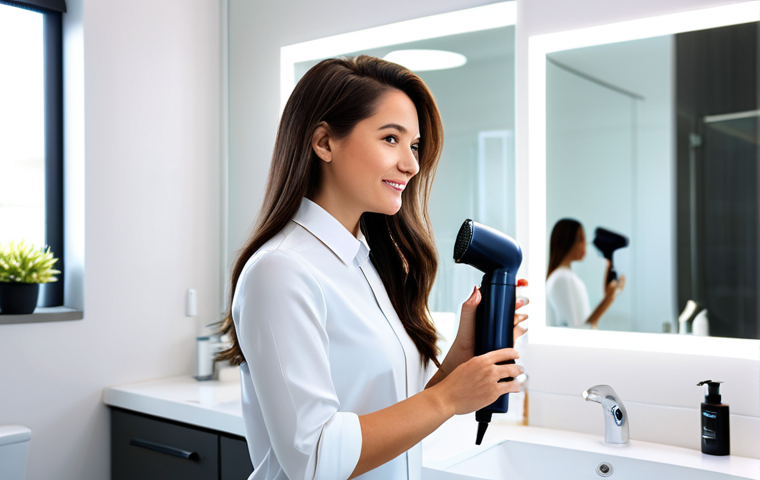
Ionic technology is a real game-changer. Ionic hairdryers, brushes, and straighteners emit negative ions, which bind to the positively charged ions in your hair, neutralizing the static.
This also helps to break down water molecules more quickly, leading to faster drying times and less heat damage. When I first invested in an ionic hairdryer, I immediately noticed how much smoother and less frizzy my hair was after drying.
It felt like I’d just stepped out of a salon, even on the driest winter days. Similarly, ionic brushes can be fantastic for detangling and smoothing without creating static.
Just be sure to clean them regularly to maintain their effectiveness.
4.2 Material Science & Smart Fabrics: A New Frontier
Beyond traditional tools, material science is playing an increasingly vital role. Hairbrushes with specialized anti-static bristles (often made from carbon fiber or specific plastics) are designed to dissipate charge.
Even clothing brands are developing anti-static fabrics. This isn’t just about comfort; it’s about truly integrated solutions. Imagine sweaters or scarves that actively prevent static from forming, rather than just being neutral.
This holistic approach, combining product, habit, and technology, is what truly liberates us from the static hair struggle.
| Category | Key Anti-Static Ingredients/Features | Benefits for Static Hair |
|---|---|---|
| Shampoos/Conditioners | Glycerin, Hyaluronic Acid, Argan Oil, Shea Butter, Silicone Derivatives | Deep hydration, cuticle smoothing, reduced friction, charge neutralization. |
| Leave-in Conditioners | Silicones (e.g., Dimethicone), Polyquaternium compounds | Forms a protective barrier, seals moisture, prevents charge buildup, reduces frizz. |
| Serums/Sprays | Cationic Polymers, Anti-static Agents, Lightweight Oils | Neutralizes existing static charge, adds shine, provides instant smoothing. |
| Hair Tools (Ionic) | Negative Ion Generators | Breaks down water molecules, neutralizes positive charges, speeds drying, reduces frizz and static. |
| Fabric Choices | Cotton, Silk, Treated Wool (Avoid Polyester, Nylon, Acrylic) | Reduces friction-induced charge transfer, prevents hair from clinging to clothing. |
DIY Solutions & Quick Fixes: Emergency Static Control
We’ve all been there: you’re out and about, and suddenly your hair decides to stage a full-blown rebellion. Your carefully styled locks are now floating around your head like a bizarre halo, and there’s no anti-static spray in sight.
It’s moments like these when a few clever DIY tricks can literally save the day. Over the years, I’ve amassed a collection of emergency static solutions, from surprising household items to simple physical maneuvers that can temporarily tame the frizz.
These aren’t long-term solutions, but they’re invaluable for those immediate, desperate situations where you just need to get your hair to behave for a few hours.
Think of them as your personal static first-aid kit.
5.1 Everyday Items with Surprising Powers
Believe it or not, many common household items can act as quick static removers. A dryer sheet, for instance, contains anti-static agents that can work wonders on your hair; just gently run it over your strands.
I always keep a couple in my desk drawer at work. A tiny bit of hand lotion, rubbed between your palms and then lightly smoothed over your hair, can also provide temporary relief by adding moisture and weight.
Even a small amount of water or a spritz of hairspray (lightly applied from a distance) can help to temporarily flatten static hair by increasing conductivity and reducing repulsion.
I’ve also found that running a metal object, like a hanger or a metal comb, through your hair can help to discharge the static – it’s a quick hack I learned from an old stylist.
5.2 Humidity Hacks & Physical Taming
Sometimes, the simplest solutions are the best. Increasing the humidity around you, even slightly, can make a difference. If you’re indoors and the air is dry, consider stepping into a steamy bathroom for a few minutes, or even just boiling some water in a kettle.
For immediate physical relief, gently patting your hair down with damp hands can help. If you have a ponytail or bun, securing your hair can also minimize its exposure to friction-generating surfaces.
The key is to be gentle; aggressive rubbing will only make the static worse. It’s about finding that delicate balance between adding just enough moisture and not creating more friction.
Adapting Your Routine for Different Hair Types and Environments
The beauty of haircare is that it’s deeply personal, and what works wonders for one person might be entirely ineffective for another. My own hair, which is fine and prone to dryness, reacts very differently to products and environments than, say, my friend’s thick, coily hair.
This means that a truly effective anti-static strategy isn’t a rigid rulebook, but rather a flexible framework that you adapt to your unique hair type, the local climate, and even your daily activities.
It’s about being an observant detective of your own hair, noticing how it behaves in different conditions and making informed adjustments. This personalized approach is where the real magic happens, allowing you to fine-tune your routine for optimal, long-lasting results.
6.1 Tailoring Your Approach to Hair Texture and Porosity
Different hair types require different approaches. Fine hair can easily be weighed down by heavy products, so opt for lightweight serums and sprays. Thick or coarse hair might benefit from richer oils and creams to provide ample moisture and control.
As mentioned earlier, hair porosity is also crucial. High porosity hair, which absorbs and loses moisture quickly, needs more consistent hydration and heavier sealants.
Low porosity hair might benefit from lighter, water-based products that don’t sit on the surface, and it may need more help opening the cuticles (e.g., using lukewarm water).
I’ve found that a patch test and a bit of experimentation are the best ways to discover what truly nourishes and protects your unique strands without causing buildup or excessive oiliness.
6.2 Seasonal & Geographical Adjustments: Beyond Winter
While winter is the undisputed static season, localized dry climates or even air-conditioned environments can also trigger the issue year-round. If you live in an arid region, maintaining indoor humidity with a humidifier can be incredibly effective.
Conversely, if you travel to a humid climate, you might find your static issues disappear, only to be replaced by frizz. The key is to be adaptable. In consistently dry environments, prioritize intense hydration and anti-static products with strong film-forming agents.
In more balanced climates, you might scale back on heavier products and focus more on gentle handling and maintaining cuticle health. It’s a dynamic dance with the elements, but once you learn the steps, you’ll feel completely in control.
My Journey to Static-Free Serenity: Real-Life Insights and Success Stories
After years of battling the unruly, gravity-defying beast that is static hair, I can genuinely say I’ve found my peace. It wasn’t an overnight transformation; it was a journey of learning, experimenting, and sometimes, frankly, feeling utterly defeated.
But through every trial, every product failure, and every small victory, I gained invaluable insight into what truly works. The relief of finally being able to take off a hat without my hair morphing into a chaotic halo, or confidently stepping out of a car without worrying about my strands clinging to my face, is immense.
It’s more than just aesthetics; it’s about comfort, confidence, and feeling in control of your own appearance. This personal experience has fueled my passion to share these insights, because I know there are countless others out there who are just as frustrated as I once was.
7.1 Learning from My Hair Disasters: What Not to Do
My journey was filled with plenty of “aha!” moments, but also a fair share of “oh no!” moments. I learned the hard way that over-brushing, especially with plastic brushes on dry hair, is a one-way ticket to static city.
I also discovered that not all “anti-frizz” products are created equal; some merely coat the hair, making it feel heavy, while others genuinely address the underlying charge.
Another big lesson was the importance of patience. You can’t undo years of hair damage or environmental exposure overnight. It takes consistent effort and a holistic approach.
I also discovered that rubbing my hands together vigorously to warm up lotion and then applying it to my hair *exacerbated* the static, rather than helping it, due to the friction.
It’s about being mindful of every single touch and action.
7.2 The Little Victories: Finding What Works for Me
My ultimate success came from combining the right products with smart habits and a dose of patience. For me, a consistent routine of hydrating shampoo and conditioner, followed by a lightweight leave-in and a weekly deep conditioning mask, forms the core.
I always air-dry my hair as much as possible before using an ionic hairdryer on a low setting, and a silk pillowcase is non-negotiable. I keep a small, metal comb in my bag for quick static emergencies, and I’ve switched almost entirely to natural fiber clothing during winter.
It’s this combination of internal hydration, external protection, and mindful handling that has finally given me truly static-free, manageable hair. The confidence boost alone has been worth every step of the journey, and I genuinely believe that with these strategies, you can achieve the same peaceful, sleek results.
Wrapping Up
As we wrap up this deep dive into conquering static hair, I hope you feel as empowered as I do now. It’s truly liberating to understand the “why” behind the frizz and to have a clear roadmap for managing it. This journey from frustrating hair halos to consistently sleek strands has taught me that knowledge, combined with the right products and mindful habits, is your greatest ally. Remember, your hair is unique, and finding your perfect anti-static routine might take a little experimentation, but the results—confident, static-free hair—are absolutely worth every effort. Here’s to many more good hair days!
Helpful Information
1. Invest in a Humidifier: Especially during dry seasons or in arid climates, a humidifier at home or work can significantly add moisture to the air, directly reducing static potential for your hair and skin.
2. Keep an Emergency Static Spray Handy: A small bottle of anti-static hair spray or even a travel-sized leave-in conditioner can be a lifesaver for unexpected static flare-ups on the go.
3. Prioritize Gentle Handling: Aggressive brushing or towel-drying creates friction and static. Opt for wide-tooth combs, ionic brushes, and microfiber towels, and always be gentle with your hair.
4. Read Product Labels: Look for ingredients like glycerin, hyaluronic acid, silicones, and cationic polymers in your hair products, as these are excellent at moisturizing and neutralizing static charges.
5. Consider Fabric Choices: Favor natural fibers like cotton, silk, and treated wool over synthetics like polyester, nylon, and acrylic, especially for scarves, hats, and pillowcases, to minimize friction and static transfer.
Key Takeaways
Conquering static hair involves a holistic approach that goes beyond just external products. It’s about understanding the science behind why your hair charges, integrating hydrating products into your routine, adopting gentle hair care habits, leveraging innovative ionic tools, and making smart choices about the fabrics you wear. By combining internal moisture, external protection, and mindful handling, you can achieve consistently sleek, static-free hair and maintain confidence in any environment.
Frequently Asked Questions (FAQ) 📖
Q: The article mentions “
A: I-driven insights” and “hyper-personalized hair solutions.” How exactly will AI help me specifically combat static hair, and when can I expect to see these kinds of products on the market?
A1: This is genuinely exciting, isn’t it? When I first heard about AI getting into haircare, I was a bit skeptical, thinking, “Oh great, another tech gimmick.” But from what I’ve learned, it’s actually pretty profound.
Imagine this: AI can analyze your hair’s unique porosity – basically, how well it absorbs and retains moisture – something that’s super individual. Then, it can factor in real-time local climate data, like the humidity (or lack thereof!) in your specific city, even predicting how it changes throughout the day.
Based on all that information, it could recommend a custom product formulation – a shampoo, conditioner, or leave-in treatment specifically blended for your hair’s needs and your environment.
It’s like having a top trichologist on speed dial, but one who also monitors the weather! I’ve even heard whispers of prototype hairbrushes that “read” static levels and emit a neutralizing mist.
While the fully personalized, at-home compounding systems are probably still a few years out for the mass market (think 3-5 years, maybe longer for truly affordable options), we’re already seeing the beginnings with smart diagnostic tools and brands offering more tailored product lines.
It’s not just a fancy label; it’s about finally tackling static from a truly informed, proactive angle, moving beyond the trial-and-error approach that’s been so frustrating for so long.
Q: The article touches on certain fabrics making static worse.
A: re there specific materials I should avoid or seek out to minimize static, especially during winter? A2: Oh, absolutely! This is one of those “aha!” moments I had when digging into this topic.
I used to just blame the dry air, but then I’d pull off a synthetic scarf or sweater, and my hair would practically stand on end, while with a cotton one, it was less dramatic.
It really comes down to that electron transfer mentioned in the article. Synthetic materials like polyester, nylon, and acrylic are notorious for building up static electricity.
They’re basically electron-grabbing magnets, especially when rubbing against your hair. That’s why your fleece blankets and beanies are often the worst culprits!
Natural fibers like cotton, silk, and even good quality wool (though wool can still cause some friction, it’s generally better than synthetics) tend to have a higher moisture content and are less prone to creating a static charge.
So, if you’re battling the winter frizz, try swapping out those synthetic-heavy scarves and hats for ones made of silk, cotton, or a softer wool blend.
It’s a small change, but it makes a surprising difference, and honestly, a silk pillowcase is a game-changer too, not just for static but for preventing breakage generally.
Q: While we wait for these futuristic solutions, what are some immediate, practical steps or products that genuinely work to combat static hair in harsh winter conditions?
A: Believe me, I’ve tried everything – dryer sheets, spraying hairspray on my brush, even running a metal hanger through my hair (don’t ask!). While the future tech sounds amazing, we need solutions now, especially with how brutal winter can be on hair.
First off, hydration is absolutely key, from the inside out. Drink plenty of water, and ensure your hair itself is well-moisturized. I’ve found that using a sulfate-free, deeply hydrating shampoo and conditioner makes a huge difference.
Then, a good leave-in conditioner or a lightweight hair oil (argan or jojoba are my go-tos) applied to damp hair can really seal the cuticle and prevent static from building up.
For styling, a wide-tooth comb or a boar-bristle brush helps distribute natural oils and reduces friction compared to plastic brushes. And here’s a tip I swear by: a good anti-static spray.
Some of them genuinely work to neutralize charges without weighing your hair down. I always keep a travel-size one in my purse for emergency flyaways, especially after taking off my coat.
And honestly, a humidifier in your home, especially in your bedroom, can significantly help by adding moisture back into the air, which in turn helps your hair retain its own moisture.
It’s about creating a less conducive environment for static, both on your hair and around you.
📚 References
Wikipedia Encyclopedia
구글 검색 결과
구글 검색 결과
구글 검색 결과
구글 검색 결과
구글 검색 결과