Top 7 Color-Enhancing Shampoos That Keep Your Bleached Hair Vibrant and Healthy

webmaster

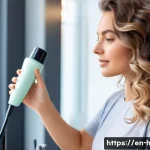
탈색 모발용 컬러 샴푸 추천 - A close-up portrait of a young woman with long, platinum blonde bleached hair styled in loose waves,...

Maintaining vibrant, bleached hair can be quite the challenge, especially when it comes to preserving color and preventing brassiness. Color-depositing shampoos have become a game-changer for anyone rocking lightened locks, offering an easy way to refresh hues between salon visits.

탈색 모발용 컬러 샴푸 추천 관련 이미지 1

Choosing the right shampoo tailored for bleached hair not only enhances your color but also nourishes those fragile strands. With so many options flooding the market, it’s essential to find one that truly delivers results without stripping moisture.

I’ve tried several myself, and the difference in texture and shine is remarkable. Let’s dive deeper and explore the best color shampoos designed specifically for bleached hair to keep your look fresh and fabulous!

Understanding the Unique Needs of Bleached Hair

Why Bleached Hair Demands Special Care

Bleached hair isn’t just lighter in color; it’s structurally different from unprocessed hair. The bleaching process strips away natural oils and opens the hair cuticles, making strands more porous and fragile.

This vulnerability means that typical shampoos can often cause further dryness, breakage, or dullness. From my experience, using a regular shampoo after bleaching felt like stripping the hair of every ounce of moisture, leaving it brittle and lifeless.

That’s why shampoos formulated specifically for bleached hair often include extra conditioning agents and gentle surfactants to protect and nourish without washing away vital hydration.

The Role of pH Balance in Color Retention

Another critical factor when choosing a shampoo for bleached hair is the pH level. Hair cuticles stay closed and smooth when the shampoo maintains a slightly acidic pH, which helps lock in color and prevents brassiness.

When the pH is off, cuticles remain open, leading to faster color fading and rough texture. I noticed that shampoos with balanced pH values not only kept my color vibrant longer but also made my hair feel silkier and easier to manage.

It’s a subtle but essential detail that’s often overlooked when people pick shampoos based solely on scent or brand.

Key Ingredients to Look For

When I started paying attention to ingredients, it changed the game. Ingredients like violet or purple pigments are brilliant for neutralizing yellow or orange tones that often plague bleached hair.

Additionally, hydrating components such as argan oil, keratin, and panthenol restore moisture and strength. Some shampoos also include UV filters to protect from sun damage, which can accelerate color fading.

Avoiding harsh sulfates is crucial since they can strip away both color and moisture. In my trials, shampoos that combined pigment with nourishing oils gave my hair the brightest shine and healthiest feel.

Advertisement

How Color-Depositing Shampoos Combat Brassiness

Understanding Brassiness and Its Causes

Brassiness is a common enemy for anyone with bleached or lightened hair. It appears as unwanted yellow, orange, or even red tones that dull your fresh color.

This happens because the underlying pigments in the hair oxidize or fade unevenly over time. Environmental factors like sun exposure, hard water, and heat styling only speed up this process.

I used to get frustrated when my salon-perfect blonde turned brassy just a week after coloring. Color-depositing shampoos work by laying down tiny amounts of pigment every time you wash, gently counteracting those warm tones and keeping your blonde crisp and clean.

Choosing the Right Pigment for Your Shade

Not all color-depositing shampoos target the same brassiness issues. Purple shampoos are the most popular, perfect for neutralizing yellow hues in platinum or ash blondes.

Blue shampoos are better suited for orange tones, common in darker bleached or highlighted hair. Some brands even offer rose or silver-toned formulas for more customized color correction.

I found that matching the pigment type to my exact brassiness made a huge difference—purple shampoos kept my hair icy, while blue-toned ones saved me from that pesky orange cast after a few weeks.

Frequency and Application Tips

While these shampoos are fantastic, overusing them can lead to unwanted buildup or even a slight tint that looks unnatural. I usually recommend using color-depositing shampoos 1-2 times a week, alternating with a nourishing, sulfate-free shampoo.

Applying the shampoo and letting it sit for 3-5 minutes before rinsing helps the pigment absorb better. For those who want to maximize results, following up with a color-safe conditioner or mask seals in moisture and pigment.

This routine kept my hair looking salon-fresh longer and reduced the need for frequent bleaching.

Advertisement

Balancing Color Maintenance and Hair Health

Hydration Is Non-Negotiable

Bleached hair desperately needs moisture to stay strong and vibrant. I learned the hard way that even the best color shampoos aren’t enough if you neglect hydration.

Deep conditioning treatments, leave-in conditioners, and hydrating masks should be part of your routine to replenish what bleaching strips away. Ingredients like shea butter, coconut oil, and hyaluronic acid work wonders for adding moisture without weighing hair down.

Combining these with color-depositing shampoos creates a perfect balance between maintaining color and keeping hair healthy.

Minimizing Heat and Environmental Damage

Heat styling and environmental exposure can wreak havoc on bleached hair, speeding up color fade and causing damage. Using heat protectants before styling and opting for cooler settings makes a noticeable difference.

I also recommend wearing hats or using UV protection sprays when spending extended time outdoors. These small habits helped me preserve my color vibrancy and avoid extra brassiness or dryness.

It’s not just about the shampoo; overall hair care habits dramatically impact how long your color stays fresh.

Regular Salon Touch-Ups vs. At-Home Maintenance

While at-home shampoos can extend the life of your color, regular salon visits are essential for keeping bleached hair looking its best. Professionals can assess the health of your hair and perform targeted treatments or toning that shampoos can’t replicate.

I usually space my touch-ups about 6-8 weeks apart, relying on color-depositing shampoos in between to maintain tone and shine. This combination of professional care and smart at-home products gave me the healthiest, brightest blonde I’ve ever had.

Advertisement

Comparing Top Color-Depositing Shampoos for Bleached Hair

What Sets Premium Brands Apart

Not all color-depositing shampoos are created equal. Premium brands often invest more in pigment technology and nourishing ingredients, which reflects in their price.

For example, some high-end shampoos offer a richer formula with more intense pigment and superior hydration, reducing the need for frequent application.

I found that while these shampoos cost more upfront, they saved me money and time in the long run by extending color longevity and improving hair texture.

Budget-Friendly Options That Deliver

On the flip side, several affordable shampoos perform surprisingly well. They might have a thinner consistency or less concentrated pigment but still effectively combat brassiness if used consistently.

From my trials, sticking to a budget shampoo with a solid ingredient list and pairing it with a good conditioner can yield results comparable to pricier options.

It’s all about finding the right balance for your hair type and color goals.

How to Evaluate Product Claims

Marketing can be overwhelming, especially with so many shampoos claiming to be “color-safe” or “for bleached hair.” I always recommend checking ingredient lists and reading user reviews to gauge real-world effectiveness.

Look for products free from sulfates, parabens, and harsh chemicals, and prioritize those with positive feedback on color preservation and moisture retention.

Testing a small amount first helps avoid surprises. Personal experience remains the best guide.

Shampoo Key Pigment Hydrating Ingredients Price Range Best For
Fanola No Yellow Purple Argan Oil, Vitamin E $$ Platinum Blonde, Neutralizing Yellow
Joico Color Balance Blue Blue Keratin, Seaweed Extract $$$ Brassy Orange Tones
Redken Color Extend Blondage Purple Proteins, Ceramides $$$ Color Maintenance & Repair
Clairol Shimmer Lights Purple Aloe Vera, Chamomile $ Budget-Friendly, Yellow Tones
Olaplex No.4C Bond Maintenance Neutral (Color-Safe) Olaplex Bond Builders, Hydrators $$$$ Strengthening, All Hair Types
Advertisement

Incorporating Color-Depositing Shampoos into Your Routine

Step-by-Step Usage for Optimal Results

For those new to color-depositing shampoos, the process can seem daunting. From my experience, the best approach is to start with clean, wet hair, apply a generous amount of shampoo, and massage it in thoroughly, focusing on areas prone to brassiness.

Letting the shampoo sit for a few minutes allows pigments to settle into the hair cuticle. Rinse thoroughly and follow with a color-safe conditioner. Repeating this 1-2 times per week strikes a good balance between maintaining color and avoiding buildup.

Combining with Other Hair Care Products

Using complementary products can enhance the benefits of color-depositing shampoos. For example, color-safe leave-in conditioners or oils can add extra moisture and protection.

I found that lightweight serums with UV filters helped maintain shine and prevent fading on sunny days. Also, occasional use of deep conditioning masks tailored for bleached hair kept my strands resilient and less prone to damage, creating a better canvas for the color pigments to work their magic.

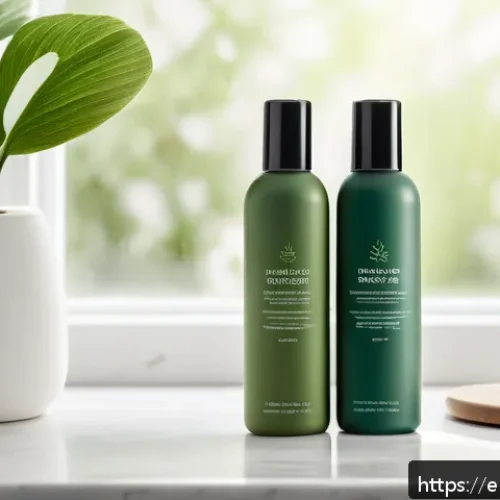
탈색 모발용 컬러 샴푸 추천 관련 이미지 2

Adapting Your Routine as Hair Grows Out

As your roots grow in, your color maintenance needs shift. You may find that color-depositing shampoos aren’t necessary on new, unbleached hair. I usually apply these shampoos more selectively on mid-lengths and ends to avoid uneven tinting.

This selective approach helps maintain a natural gradient and avoids over-toning. Adjusting the frequency and application area based on hair growth and condition is key to keeping your look fresh and balanced.

Advertisement

Signs Your Bleached Hair Needs a Shampoo Switch

When Color Fades Too Quickly

If you notice your blonde turning brassy or dull just days after washing, your current shampoo might be too harsh or lacking pigment. Switching to a color-depositing formula can restore vibrancy and tone.

From my experience, this change often makes a visible difference within a few washes.

Excessive Dryness or Breakage

Bleached hair that feels straw-like or breaks easily signals that the shampoo is stripping too much moisture. A more hydrating, gentle color shampoo will help rebuild moisture balance and reduce damage over time.

My hair stopped snapping and felt silkier once I made this swap.

Build-Up or Residue Issues

If your hair feels weighed down or looks dull despite using color shampoos, product buildup might be the culprit. In this case, incorporating a clarifying shampoo once every couple of weeks can reset your hair and improve product performance.

I’ve found this simple step breathes new life into my bleached locks.

Advertisement

Expert Tips for Maximizing Color Shampoo Benefits

Customize Based on Hair Porosity

Understanding your hair’s porosity helps tailor your shampoo choice. High-porosity hair absorbs pigment quickly but loses moisture fast, needing richer hydration.

Low-porosity hair requires lighter formulas to avoid buildup. I recommend experimenting cautiously and noting how your hair responds.

Pair With Cool Water Rinses

Rinsing hair with cool or lukewarm water after shampooing helps seal cuticles and lock in color. Hot water opens the cuticles, accelerating pigment loss and dryness.

Switching to cooler rinses made my color last noticeably longer and my hair smoother.

Maintain Consistency Without Overdoing It

While it’s tempting to shampoo frequently for fresh color, overuse can lead to pigment overload or dryness. Sticking to a routine of 1-2 times per week keeps your color fresh without compromising hair health.

I learned that less is more when it comes to color-depositing shampoos.

Advertisement

Addressing Common Myths About Color-Depositing Shampoos

They’re Not Just for Blondes

Many think these shampoos are only for blonde hair, but they can benefit anyone with color-treated hair. For example, red or brunette shades have their own color-depositing products designed to refresh vibrancy and prevent fading.

I’ve seen friends with all hair colors enjoy longer-lasting hues thanks to these shampoos.

Color Shampoos Don’t Replace Toners

While helpful, color-depositing shampoos are not a substitute for professional toning treatments. Toners offer deeper, more precise correction. Shampoos act as maintenance tools in between salon visits.

Realizing this helped me set realistic expectations and avoid disappointment.

Not All Pigments Cause Staining

There’s a misconception that these shampoos will stain skin or fabrics permanently. Most pigments rinse out easily with water and regular washing. I always recommend using gloves and rinsing promptly, but staining is rarely a major issue when used correctly.

Advertisement

Exploring Alternatives: When to Consider Color-Depositing Conditioners and Masks

Benefits of Color-Depositing Conditioners

If you find shampoos too drying or harsh, color-depositing conditioners offer a gentler way to refresh your tone. They provide hydration while depositing color gradually.

Personally, I alternate between shampoos and conditioners depending on how dry my hair feels.

Using Color Masks for Intense Refreshing

Color masks tend to have a higher pigment concentration, making them ideal for an occasional boost or when your color needs extra attention. I use masks once a week during deep conditioning to revive vibrancy and softness.

Combining Products Strategically

A smart combination of color-depositing shampoos, conditioners, and masks can create a comprehensive maintenance routine. This approach allows flexibility to address specific needs like moisture, tone correction, or repair.

Over time, I found this layered strategy gave me the best results for my bleached hair.

Advertisement

In Closing

Taking care of bleached hair requires a thoughtful approach that balances color maintenance with hair health. Using the right color-depositing shampoos, combined with hydration and protection strategies, can keep your hair vibrant and strong. Remember, consistency and choosing products suited to your hair type make all the difference. With the right routine, you can enjoy salon-fresh color longer and healthier locks every day.

Useful Tips to Keep in Mind

1. Always check the pH level of shampoos to ensure they help seal the hair cuticle and preserve color.

2. Use color-depositing shampoos 1-2 times a week to avoid pigment buildup and maintain natural-looking tones.

3. Incorporate deep conditioning treatments regularly to replenish moisture lost during bleaching.

4. Protect your hair from heat and UV exposure by using heat protectants and UV filters whenever possible.

5. Adjust your hair care routine as your roots grow in to prevent uneven color and over-toning.

Key Takeaways for Healthy, Vibrant Bleached Hair

Choosing shampoos formulated specifically for bleached hair is essential to prevent dryness and color fading. Maintaining hydration with nourishing ingredients supports hair strength and shine. Color-depositing shampoos are powerful tools for combating brassiness but should be used thoughtfully to avoid buildup. Protecting hair from environmental stressors and heat styling further extends color longevity. Finally, combining professional salon care with smart at-home maintenance creates the best results for lasting vibrancy and hair health.

Frequently Asked Questions (FAQ) 📖

Q: How often should I use a color-depositing shampoo on bleached hair to avoid buildup or damage?

A: From my experience, using a color-depositing shampoo about 1 to 2 times a week strikes the perfect balance. Overusing it can lead to product buildup, making your hair feel heavy or even dull.
On the other hand, spacing it out too much means your color might fade faster, especially if you’re outdoors often or washing frequently. I usually alternate with a gentle, hydrating shampoo to keep my hair nourished and avoid any dryness or damage.

Q: Can color-depositing shampoos help prevent brassiness on bleached hair?

A: Absolutely! Color-depositing shampoos are specifically designed to counteract unwanted warm tones like yellows or oranges that often appear after bleaching.
For example, purple or blue shampoos deposit pigments that neutralize brassiness, keeping your blonde looking fresh and vibrant. I noticed a significant difference when I switched to a purple shampoo—it really maintained that cool tone without leaving my hair feeling dry or stripped.

Q: Will using a color-depositing shampoo dry out my already fragile bleached hair?

A: That’s a common concern, and honestly, it depends on the formula you choose. Some color-depositing shampoos are packed with harsh sulfates, which can be drying, but many newer products include moisturizing ingredients like argan oil or keratin.
Personally, I look for shampoos labeled as sulfate-free and enriched with nourishing oils. Using those, I’ve been able to keep my bleached hair soft and shiny while still refreshing my color.
Pairing it with a good conditioner or hair mask makes a world of difference, too.

📚 References


➤ Link

– Google Search

➤ Link

– Bing Search

➤ Link

– Google Search

➤ Link

– Bing Search

➤ Link

– Google Search

➤ Link

– Bing Search

➤ Link

– Google Search

➤ Link

– Bing Search

➤ Link

– Google Search

➤ Link

– Bing Search

➤ Link

– Google Search

➤ Link

– Bing Search

➤ Link

– Google Search

➤ Link

– Bing Search

➤ Link

– Google Search

➤ Link

– Bing Search

➤ Link

– Google Search

➤ Link

– Bing Search

➤ Link

– Google Search

➤ Link

– Bing Search