Winter Hair Hydration: Unlock Stunning Results and Avoid Costly Mistakes

webmaster

Argan Oil Application**

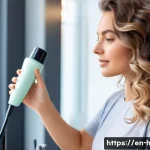
A professional woman with long, healthy-looking brown hair, *fully clothed* in a cozy sweater, applying a few drops of argan oil to her ends in a well-lit bathroom with a modern vanity. *Safe for work*, appropriate content, *modest* setting. Focus on the healthy shine of her hair. *Perfect anatomy*, *correct proportions*, *natural pose*, *well-formed hands*, *proper finger count*. Professional photography, high quality.

**

Winter air – it’s crisp, invigorating, and absolutely brutal on your hair. I swear, the moment the temperature drops, my hair transforms from manageable to a static-filled, dry nightmare.

If you’re like me, battling the winter dryness and frizz, you’re probably on the hunt for some serious hydration. The latest trends lean towards deeply nourishing oils and masks, especially those incorporating natural ingredients.

Experts are even predicting a rise in personalized hair care, tailored to individual needs based on hair type and environmental factors. So, how do we keep our locks luscious and healthy during these harsh months?

Let’s dive into some of the best winter hair moisturizers and discover which ones will work best for you. Let’s figure out what works best for you in the following article!

Alright, let’s get those locks hydrated and happy this winter!

Conquering Winter Dryness: The Oil Route

winter - 이미지 1

Winter is brutal, and sometimes your regular conditioner just doesn’t cut it. That’s where hair oils come in. I remember one particularly harsh winter in Chicago, my hair was so dry it felt like straw.

I tried everything, and honestly, pure oils were the game-changer. They penetrate the hair shaft, providing deep hydration that lasts.

Argan Oil: The Liquid Gold Standard

Argan oil is a classic for a reason. Lightweight and packed with vitamin E and antioxidants, it tames frizz and adds shine without weighing your hair down.

I’ve been using it for years, and a few drops after showering make a noticeable difference. My hair is softer, more manageable, and less prone to those annoying flyaways.

Coconut Oil: A Deep Conditioning Powerhouse

If your hair is seriously parched, coconut oil is your best friend. This stuff is thick, so use it sparingly (a little goes a long way!), but it’s amazing for deep conditioning.

I like to slather it on my hair once a week, wrap it in a warm towel, and let it sit for at least 30 minutes before washing it out. The result? Incredibly soft, moisturized hair.

Just be warned: it can be a bit heavy, so it’s best for dry or thick hair types. I tried it once when my hair was freshly permed and let me tell you, it bounced back to life immediately!

Jojoba Oil: The Scalp Soother

Don’t forget about your scalp! A dry, itchy scalp can exacerbate winter hair woes. Jojoba oil is fantastic because it closely mimics the natural oils produced by your scalp, making it easily absorbed and less likely to cause buildup.

I use it as a scalp massage oil before showering, and it helps soothe irritation and promote healthy hair growth.

Mask Magic: Deep Hydration Treatments

Sometimes, a regular conditioner just isn’t enough. Enter hair masks – the heavy hitters of hydration. These are designed to be left on for longer periods, allowing the nourishing ingredients to deeply penetrate the hair shaft.

I think of them as a weekly spa day for my hair.

DIY Avocado Mask: Nature’s Remedy

For a natural and affordable option, try a DIY avocado mask. Avocado is packed with healthy fats and vitamins that nourish and hydrate the hair. Simply mash up half an avocado, mix it with a tablespoon of olive oil and a squeeze of lemon juice (to cut the smell), and apply it to your hair.

Leave it on for 20-30 minutes before rinsing. My grandmother swore by this trick, and her hair was always incredibly healthy, even into her 80s!

Keratin Infusion: Protein Power

If your hair is damaged or chemically treated, a keratin-infused mask can work wonders. Keratin is a protein that helps repair and strengthen the hair shaft, reducing breakage and adding shine.

I used one religiously after getting highlights, and it helped prevent my hair from becoming brittle and dry.

Humidifiers: Your Indoor Oasis

The dry indoor air of winter can be just as damaging as the cold outdoor air. A humidifier adds moisture back into the air, helping to keep your hair and skin hydrated.

I run one in my bedroom at night, and it makes a noticeable difference in the overall moisture levels of my hair and skin. A friend of mine who’s a dermatologist recommended this, and I haven’t looked back since.

Table: Winter Hair Savior Comparison

Product Type Key Ingredients Benefits Best For
Argan Oil Vitamin E, Antioxidants Tames frizz, adds shine, lightweight All hair types
Coconut Oil Healthy Fats Deeply moisturizing Dry or thick hair
Jojoba Oil Mimics natural scalp oils Soothes scalp, promotes hair growth Dry or itchy scalp
Avocado Mask Healthy fats, vitamins Nourishes and hydrates All hair types
Keratin Mask Keratin Protein Repairs and strengthens Damaged or chemically treated hair

Protective Styling: Shielding Your Strands

Sometimes, the best way to protect your hair from the elements is to keep it tucked away. Protective styles like braids, buns, and updos can shield your hair from the harsh winter air, preventing dryness and breakage.

When I lived in New York City, I practically lived in a topknot from November to March – it was a lifesaver!

Braids: A Timeless Classic

Braids are a versatile protective style that can be worn in countless ways. From simple three-strand braids to intricate cornrows, they keep your hair tucked away and minimize exposure to the elements.

Plus, they’re super cute!

Buns: Quick and Easy Protection

A simple bun is a quick and easy way to protect your hair on the go. Whether it’s a sleek ballerina bun or a messy topknot, it keeps your ends tucked away and prevents them from drying out.

Hydrating Shampoos and Conditioners: Building a Foundation

The products you use to wash and condition your hair can make a big difference in its overall hydration levels. Look for shampoos and conditioners that are specifically designed for dry or damaged hair, and that contain moisturizing ingredients like shea butter, glycerin, and aloe vera.

Sulfate-Free Shampoos: A Gentle Cleanse

Sulfates are harsh detergents that can strip your hair of its natural oils, leaving it dry and brittle. Opt for a sulfate-free shampoo for a gentler cleanse that won’t leave your hair feeling parched.

I switched to sulfate-free a few years ago, and I’ve seen a huge improvement in my hair’s moisture levels.

Leave-In Conditioners: Extra Layer of Protection

A leave-in conditioner is a must-have for winter hair care. Apply it to damp hair after washing to provide an extra layer of hydration and protection throughout the day.

I like to spray it on my ends, which tend to be the driest part of my hair.

Diet and Hydration: Nourishing From Within

Healthy hair starts from the inside out. Make sure you’re drinking plenty of water and eating a balanced diet rich in vitamins, minerals, and healthy fats.

Foods like salmon, avocados, and nuts are great for promoting healthy hair growth and hydration. I noticed a huge difference in my hair’s health when I started taking a daily multivitamin and drinking more water.

Water Intake: The Foundation of Hydration

Staying hydrated is crucial for overall health, including the health of your hair. Aim to drink at least eight glasses of water a day to keep your hair moisturized from the inside out.

Omega-3 Fatty Acids: Fueling Hair Health

Omega-3 fatty acids are essential for healthy hair growth and hydration. Include foods like salmon, flaxseeds, and walnuts in your diet to get your fill of these beneficial fats.

My doctor recommended adding a fish oil supplement to my routine, and it’s made a noticeable difference in the shine and strength of my hair. Conquering winter dryness doesn’t have to be a battle!

With these tips and tricks, you can keep your hair healthy and hydrated all season long. Experiment, find what works best for you, and embrace the joy of having luscious, winter-proof locks!

Remember, consistency is key, and a little TLC goes a long way.

Wrapping It Up

So, there you have it – my tried-and-true winter hair care guide! I hope these tips help you banish dryness and keep your hair looking its best, even in the chilliest weather. Remember, winter is just a season, and with the right care, your hair can thrive through it all. Stay hydrated, treat your hair with kindness, and enjoy those cozy winter days!

Now it’s time to find a new you by taking care of your hair in winter.

Why don’t you go to Sephora or some drug store and try to find the perfect hair oil for you?

And, please share with your friends and let me know how your hair looks. Good luck!

Good to Know

1. Always do a patch test before applying any new oil or mask to your entire head to check for allergies or sensitivities.

2. Use a microfiber towel instead of a regular towel to dry your hair. Microfiber towels are gentler and absorb moisture more effectively, reducing frizz and breakage.

3. Trim your hair regularly to get rid of split ends. Split ends can travel up the hair shaft, causing more damage. A trim every 6-8 weeks can help keep your hair healthy and strong.

4. Invest in a silk or satin pillowcase. Cotton pillowcases can absorb moisture from your hair, leading to dryness and frizz. Silk or satin pillowcases are smoother and help retain moisture.

5. Consider using a shower filter to remove harsh chemicals from your water. Hard water can strip your hair of its natural oils, leading to dryness and damage. A shower filter can help soften the water and protect your hair.

Key Takeaways

Hydrate, Hydrate, Hydrate: Drink plenty of water and use moisturizing products.

Oil is Your Friend: Argan, coconut, and jojoba oils can work wonders.

Mask It Up: Deep conditioning masks provide intense hydration.

Protect Your Hair: Use protective styles and avoid harsh weather.

Nourish From Within: A healthy diet contributes to healthy hair.

Frequently Asked Questions (FAQ) 📖

Q: I’ve heard a lot about hair oils for winter, but won’t they make my hair look greasy?

A: Okay, I get the hesitation. I used to think hair oils were a one-way ticket to slick-city! But trust me, the key is finding the right one for your hair type and using it sparingly.
Lightweight oils like argan or grapeseed are fantastic because they absorb quickly and won’t weigh your hair down. Start with a tiny amount – seriously, like a pea-sized drop – and rub it between your palms before applying it to the ends of your hair.
Avoid the roots unless you have incredibly dry scalp. Think of it as a leave-in conditioner, not a deep-fryer dip! I accidentally used too much one time (rookie mistake!), and I looked like I hadn’t showered in a week.
Less is definitely more here.

Q: I don’t have a ton of money to spend on fancy hair products.

A: re there any affordable winter hair moisturizers that actually work? A2: Absolutely! You don’t need to break the bank for healthy winter hair.
Honestly, some of my favorite go-to’s are drugstore finds. Look for moisturizing shampoos and conditioners containing ingredients like shea butter, glycerin, or coconut oil.
Leave-in conditioners are also a great affordable option. And a total game changer? DIY hair masks!
I make one with avocado, honey, and olive oil – sounds gross, but it leaves my hair super soft and hydrated. Plus, it’s a fun Sunday afternoon activity!
Remember to check the clearance sections; you might be surprised what hidden gems you discover.

Q: I’ve got fine hair that gets weighed down easily. What kind of winter hair moisturizer is best for me?

A: Oh, I feel your pain! Fine hair and heavy moisturizers are definitely a recipe for disaster. Avoid anything too thick or creamy – those will just leave your hair limp and lifeless.
Instead, opt for lightweight serums or leave-in sprays. Look for products labeled “volumizing” or “for fine hair.” A great trick I learned from my stylist is to apply moisturizer to damp, not soaking wet, hair.
This helps it distribute more evenly and prevents build-up. And again, a tiny bit goes a long way! I once tried a super rich mask, and it took three washes to get my hair back to normal.
Live and learn, right?