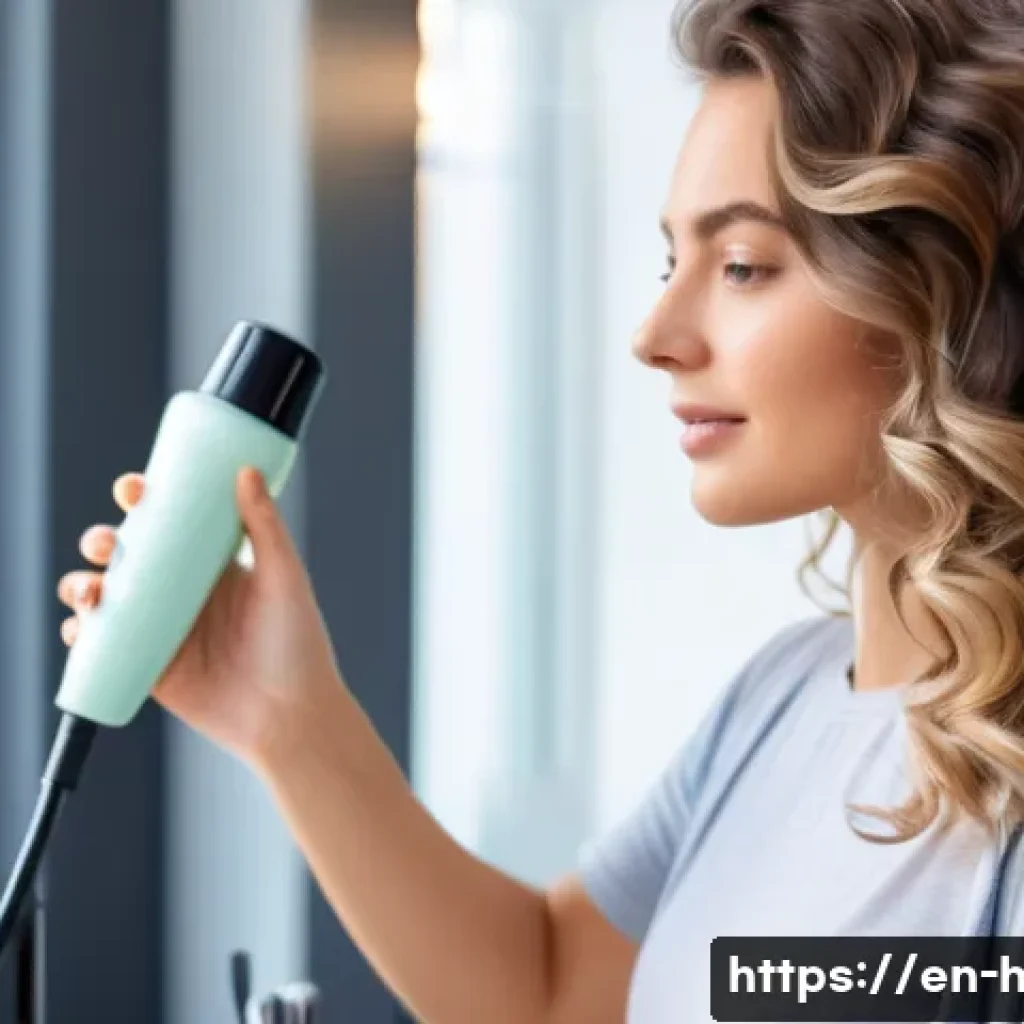
Using heat styling tools like curling irons and straighteners can seriously damage your hair if you’re not careful. That’s where heat protectant sprays come in—they create a barrier that shields your strands from high temperatures, reducing breakage and dryness.
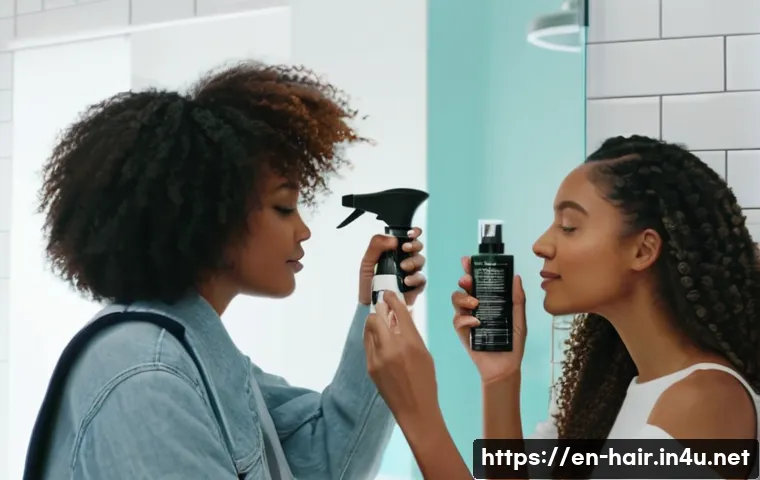
Over time, incorporating a good heat protectant can make a noticeable difference in the health and shine of your hair. Plus, many formulas now include nourishing ingredients that add extra moisture and smoothness.
If you want to keep your locks looking vibrant and strong while still enjoying your favorite styles, understanding how these sprays work is essential.
Let’s dive deeper and uncover everything you need to know about heat protectant sprays!
How Heat Protection Sprays Safeguard Your Hair
Creating a Shield Against High Temperatures
Heat protection sprays work by forming a thin, invisible barrier over each strand of hair, which helps to prevent direct contact with the intense heat from styling tools.
When I first started using these sprays, I noticed my hair didn’t feel as brittle or dry after curling sessions. This protective layer reduces the chance of moisture loss, which is the main culprit behind heat-induced damage.
Without that shield, heat can strip away natural oils and weaken the hair cuticle, leading to breakage and split ends. So, the spray isn’t just a gimmick—it’s a real defense mechanism that preserves your hair’s integrity.
Minimizing Breakage and Dryness
One of the key benefits I’ve personally experienced is a significant reduction in hair snapping while styling. The sprays often contain ingredients that help your strands stay hydrated and flexible, which means they’re less likely to snap under heat stress.
Some sprays even have silicone-based compounds that smooth the hair surface, making it easier to glide your straightener or curling iron without tugging or pulling.
Over time, this leads to healthier-looking hair that feels softer and stronger, rather than dry and rough.
The Role of Nourishing Additives
Many heat protectant sprays today are formulated with nourishing oils, vitamins, and proteins that go beyond just protection. For example, argan oil, keratin, and panthenol are common ingredients that provide additional moisture and repair benefits.
When I switched to a spray with these additives, I noticed my hair not only stayed protected but also looked shinier and felt silkier. This dual action of protection plus nourishment makes these sprays a must-have in any hair care routine, especially for those who frequently use heat styling tools.
Choosing the Right Heat Defense for Your Hair Type
Understanding Different Hair Needs
Not all hair types benefit equally from the same heat protectant sprays. For instance, fine hair often requires lightweight formulas that won’t weigh strands down or make them look greasy.
On the other hand, thicker or coarser hair might need richer, more hydrating sprays to combat dryness effectively. When I first experimented with various sprays, I realized that what works wonders for my wavy hair didn’t suit my friend’s straight, fine hair.
Tailoring your choice based on hair texture is crucial to get the best results.
Spray vs. Cream vs. Serum Formats
Heat protectants come in multiple forms: sprays, creams, and serums. Sprays are convenient for quick application and even coverage, especially on longer hair.
Creams tend to be heavier and can double as styling aids, perfect for curly or thick hair needing more control. Serums often provide intense shine and smoothness, ideal for taming frizz while offering heat protection.
I usually alternate between sprays and serums depending on whether I want volume or sleekness. Knowing the pros and cons of each format helps you pick the right product for your daily styling needs.
Temperature Guidelines and Product Labels
When buying a heat protectant, always check the label for the maximum heat it can shield against. Some sprays protect up to 400°F, while others only go as high as 350°F.
Since many curling irons and straighteners operate between 300°F and 450°F, choosing a product with a suitable heat resistance is essential. I learned this the hard way after using a low-heat protectant with a hotter iron and ended up with damaged tips.
Taking a moment to match your tools and spray specifications can save your hair from unnecessary harm.
Application Tips for Maximum Effectiveness
Timing Is Everything
One mistake I often see people make is applying heat protectant right before turning on their styling tool. For the spray to work its magic, it needs a minute or two to fully coat and dry on your hair.
Applying it to damp hair right after washing is ideal because it locks in moisture and prepares your strands for heat. Spraying on dry hair can work too, but you should wait a little before heat styling.
This simple timing trick made a huge difference in how well my hair held up after daily straightening.
Proper Coverage and Quantity
Using too little product won’t give your hair enough protection, but overdoing it can leave your hair feeling sticky or heavy. I usually divide my hair into sections and spray evenly, focusing on the mid-lengths and ends where damage tends to be worst.
The roots don’t need as much since they’re naturally more resilient and can get oily quickly. Getting this balance right helps maintain a natural look and avoids product buildup that might attract dirt or dull your shine.
Combining with Other Hair Care Steps
For the best results, I recommend pairing heat protectants with regular conditioning treatments and gentle shampoos. Deep conditioning once a week restores lost moisture, while sulfate-free shampoos prevent stripping natural oils.
Using a heat protectant on freshly washed, well-conditioned hair maximizes the spray’s effectiveness. It’s like setting a solid foundation for your styling routine, ensuring your hair stays healthy even when you love to experiment with heat tools frequently.
Common Ingredients in Heat Protectants and Their Benefits
Silicones for Smoothness and Protection
Silicone derivatives such as dimethicone are often key players in heat protectants. They form a protective film that seals the hair cuticle, reducing moisture loss and shielding from heat damage.
From my experience, products with silicones make styling smoother by reducing friction, which helps prevent breakage. However, if you have very fine hair, you might want to avoid heavy silicone formulations to prevent buildup.
Natural Oils and Extracts
Argan oil, jojoba oil, and green tea extracts are commonly included to nourish and strengthen hair. These natural ingredients add hydration and antioxidants, helping to repair damage and improve elasticity.
I’ve found sprays with these oils leave my hair feeling soft and looking glossy without being greasy, which is a huge plus for everyday styling.
Protein and Vitamin Fortification
Proteins like keratin and silk amino acids help rebuild the hair’s structural integrity, while vitamins such as B5 (panthenol) support moisture retention.
When I switched to a heat protectant enriched with these nutrients, I noticed less frizz and more resilience in my strands after repeated heat exposure.
This combination not only protects but also actively improves hair health over time.
How Heat Protectants Impact Your Hair’s Long-Term Health
Preventing Cumulative Damage
One of the biggest benefits of consistent heat protectant use is the prevention of cumulative damage. Heat styling without protection can cause microscopic cracks in the hair shaft that worsen over time, eventually leading to visible split ends and breakage.
From my personal routine, using a heat protectant daily means my hair feels stronger even after months of styling, which is a huge confidence booster.
Maintaining Shine and Manageability
Hair that’s regularly exposed to heat without protection tends to look dull and become hard to style. With heat protectants, you maintain natural shine and smoothness because the cuticle stays intact and moisture levels are preserved.
I’ve noticed that my hair not only looks healthier but also requires less time to style, since it’s less prone to frizz and tangling.
Supporting Hair Growth by Reducing Breakage
Since breakage is minimized with proper heat protection, your hair length retention improves, which is essential for growth. I’ve seen friends who didn’t use heat protectants struggle with slow growth because their hair kept breaking off, while those who used sprays regularly had longer, fuller hair over time.
It’s a subtle but important factor in achieving your hair goals.
Comparing Popular Heat Protectant Products
Finding the Best Match for Your Routine
With so many options on the market, it can be overwhelming to pick the right heat protectant. Some prioritize lightweight formulas, others emphasize deep hydration or added styling benefits.
Below is a comparison of a few popular products I’ve tested, highlighting their key features and ideal hair types.
| Product Name | Key Ingredients | Hair Type | Heat Protection Up To | Additional Benefits |
|---|---|---|---|---|
| ThermoShield Lightweight Spray | Silicones, Vitamin E | Fine to Normal | 400°F | Non-greasy, adds volume |
| Moisture Lock Serum | Argan Oil, Panthenol | Dry, Coarse | 450°F | Deep hydration, frizz control |
| Keratin Boost Cream | Keratin, Silk Amino Acids | Damaged, Chemically Treated | 400°F | Repairs, strengthens strands |
| Everyday Heat Guard Mist | Green Tea Extract, Aloe Vera | All Hair Types | 375°F | Lightweight, soothing scalp |
Real-World User Experiences
Based on my experience and feedback from others, lightweight sprays are great for quick styling and maintaining natural bounce, while creams and serums work better for thick or curly hair needing more moisture and control.
It’s worth trying a few samples before committing to a full bottle, as personal hair texture and styling habits greatly influence which product feels best.
Price vs. Performance Considerations
While some high-end heat protectants offer advanced formulas with multiple benefits, there are plenty of affordable options that do a solid job protecting hair from heat damage.
I’ve found that investing in a mid-range product with nourishing ingredients offers the best balance of protection, feel, and cost. Ultimately, consistent use beats occasional splurging on expensive brands when it comes to long-term hair health.
In Conclusion
Heat protection sprays play an essential role in preserving hair health by creating a barrier against damaging heat. From my own experience, they not only prevent dryness and breakage but also nourish hair for a shinier, stronger appearance. Choosing the right product tailored to your hair type and styling routine maximizes these benefits. Consistent use truly makes a noticeable difference in long-term hair vitality and manageability.
Useful Tips to Keep in Mind
1. Always apply heat protectant to damp hair for better moisture retention before styling.
2. Select a formula that matches your hair texture—lightweight sprays for fine hair, richer creams or serums for thick or coarse strands.
3. Check product labels for maximum heat protection to ensure compatibility with your styling tools.
4. Use the appropriate amount evenly, focusing on mid-lengths and ends to avoid weighing down roots or buildup.
5. Combine heat protectants with regular conditioning and gentle shampoos for optimal hair health.
Key Takeaways
Heat protectants are more than just styling aids—they form a crucial defense that prevents moisture loss and structural damage caused by heat. Selecting the right product based on your hair type and understanding how to apply it properly enhances effectiveness. Nourishing ingredients like oils and proteins provide added repair benefits, supporting stronger, shinier hair over time. Regular and mindful use of heat protectants helps maintain hair’s natural resilience, shine, and growth potential, making them indispensable for anyone who frequently uses heat styling tools.
Frequently Asked Questions (FAQ) 📖
Q: How often should I apply heat protectant spray when using heat styling tools?
A: It’s best to apply heat protectant spray every time before you use any heat styling tool, whether it’s a curling iron, straightener, or blow dryer. Applying it consistently creates a protective barrier on your hair strands, minimizing damage from repeated heat exposure.
Skipping this step even once can leave your hair vulnerable to dryness and breakage, so making it a regular habit really pays off in maintaining healthy, shiny hair over time.
Q: Can heat protectant sprays prevent all types of heat damage?
A: While heat protectant sprays significantly reduce damage by shielding hair from high temperatures, they can’t completely eliminate all heat-related harm.
Factors like the heat setting on your tools, how often you style, and your hair type also play crucial roles. For example, using excessively high temperatures or styling daily without breaks can still stress your hair.
But from my experience, combining a good heat protectant with moderate heat settings and less frequent styling keeps hair looking healthier and stronger.
Q: Are there specific ingredients I should look for in a heat protectant spray?
A: Absolutely! Ingredients like silicones (dimethicone), natural oils (argan oil, coconut oil), and proteins (keratin, silk amino acids) are excellent to look for.
They not only shield your hair from heat but also nourish and smooth the strands. Personally, I noticed sprays with added moisturizing ingredients helped reduce frizz and gave my hair a silky finish, unlike some protectants that felt dry or sticky.
So choosing a formula that matches your hair’s needs can make a real difference in both protection and overall hair health.